How to Fix a Dishwasher Door: Step-by-Step Guide
Learn how to fix a dishwasher door with practical, safe steps. Inspect the latch, hinges, and gasket; replace worn parts; realign the door; and test with a short cycle to ensure a secure seal.


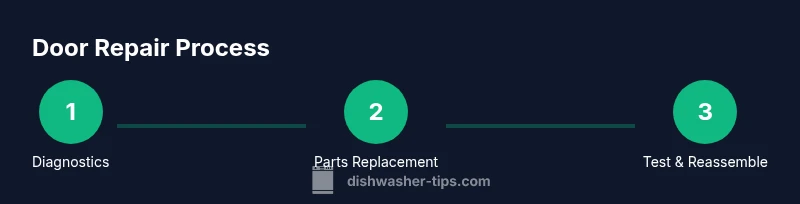
Step 1: unplug the dishwasher and remove the lower kick panel to access the door mechanism. Step 2: inspect the latch, hinges, and gasket for wear or misalignment. Step 3: tighten screws or replace worn parts, then reassemble. Step 4: run a test cycle to confirm the door latches securely and seals properly.
Diagnosing the Door: Where to Look First
According to Dishwasher Tips, many door issues start with the latch or gasket rather than the hinges. Start by unplugging the unit and inspecting the door from inside for misalignment or foreign objects that prevent full closure. A quick test—closing the door with the machine unplugged—can reveal whether the latch or strike plate catches consistently. This initial diagnosis helps you avoid unnecessary part replacements and keeps the repair within a reasonable budget.
Fixing the Door Latch and Hinges
A worn latch or loose hinges is a leading cause of doors that won’t stay shut. Begin by removing the access screws for the latch housing and checking the strike plate alignment. Tighten any loose screws, and if the latch is visibly worn, detach and replace it with a compatible part. If hinges are loose or sagging, tighten the mounting screws or, in some cases, replace the hinge pins. This section aligns the door so it can close evenly and latch reliably. Dishwashers tips analysis shows latch wear and misalignment are common door issues.
Replacing the Door Gasket (Seal)
Leaking water around the door often points to a worn gasket. Remove the old gasket by gently prying it free from the groove, then clean the channel with a cloth and mild soap. Measure the gasket length and order a compatible replacement. Fit the new gasket starting at the top corners, pressing firmly into the channel to create an airtight seal. Re-seat the door to ensure even contact along the seal and run a brief wash cycle to check for leaks.
Realigning the Door and Check for Warping
If the door sits unevenly or rubs at the gasket edge, it may be misaligned or warped. Inspect the door for buckling or bending and compare with the cabinet frame. Adjust the hinge mounting screws to true the door straight, then verify that the strike plate engages smoothly without requiring extra force. Warping can occur from heavy loads or heat exposure; if detected, consider professional assessment or door replacement.
Safety Precautions and When to Replace the Door
Always unplug the dishwasher before starting any repair and shut off the water supply to avoid leaks. If you notice visible frame damage, a warped door, or the tub or inner door is severely bent, replacing the door or the entire door assembly is often safer and more cost-effective than a repair. When in doubt, consult a professional to avoid electrical shock or flood damage.
Maintenance to Prevent Future Door Problems
Regular inspection of the latch, gasket, and hinges can prevent most door issues. Clean the gasket with a damp cloth and avoid harsh cleaners that degrade rubber. Keep the door aligned and avoid forcing it closed; if you notice resistance, pause and inspect the latch mechanism. For ongoing reliability, schedule a quick annual check and address wear early to prevent leaks or mis-sealing.
Tools & Materials
- Screwdriver set (Phillips and flat)(Philips #2 and flat-head for hinge screws)
- Pliers (needle-nose)(For gripping small components and gasket edges)
- Torx/Allen wrench set(May be needed for some models)
- Flashlight(Bright light to inspect latch and coil area)
- Putty knife or plastic prying tool(Gasket removal without damage)
- Soft cloth and mild soap(Clean gasket channel)
- Replacement door latch(Only if latch worn)
- Replacement door gasket(Order based on model number)
- Replacement hinges or hinge pins(If hinges are damaged)
- Magnetic tray or small containers(Keep screws organized)
Steps
Estimated time: 60-90 minutes
- 1
Safety prep
Unplug the dishwasher, turn off the water supply, and clear the surrounding area. This prevents electrical shock and water damage while you work. Confirm there’s no water in the base before you begin.
Tip: Take a photo of screws and brackets before removal. - 2
Access the door mechanism
Remove the lower kick panel or toe panel to access the latch housing and hinges. Use a flashlight to inspect for corrosion or broken plastics. Keep track of all screws as you remove them.
Tip: Label each screw set and its location to simplify reassembly. - 3
Check latch and hinge mounting
Test the latch with the door closed to see if it engages every time. Tighten loose screws on the latch and hinges; replace worn parts if necessary. Ensure hinges are snug but not overtightened.
Tip: Do not force parts; if a hinge pin is stubborn, gently tap with a soft mallet. - 4
Inspect and replace gasket
If the gasket shows cracks or compression set, remove and replace it with a compatible model. Clean the channel and press the new gasket evenly around the door opening.
Tip: Lubricate lightly with silicone-based grease only if recommended by the model manual. - 5
Realign door and test seal
Close the door and verify even contact along the gasket. Check for residual gaps by running a short rinse cycle. If leaks persist, recheck alignment or gasket seating.
Tip: A single pass with a flashlight helps reveal light leaks. - 6
Reassemble and verify
Reattach the toe panel, tighten all screws, and run a full cycle to confirm the door seals properly and no leaks are present.
Tip: Keep a record of parts replaced for future reference.
People Also Ask
What are the common signs my dishwasher door needs repair?
Look for poor latching, leaks, door not sealing, unusual noises, or door pops open mid-cycle.
Common signs are leaks and a door that won’t latch.
Can I fix a dishwasher door without professional help?
Many fixes are DIY-friendly if you have basic tools; unplug, access latch by removing panel, replace parts.
You can fix some issues yourself, but never work around safety features.
What parts might need replacement for a door issue?
Latch, hinges, gasket, and sometimes the strike plate.
Latch or gasket are common culprits.
How long does a door repair take?
Time depends on parts and access; typically 30-90 minutes.
It usually takes between half an hour and an hour and a half.
Is it safe to repair a dishwasher door while plugged in?
No, always unplug and turn off the water supply.
Always unplug before you start for safety.
When should I replace the entire door?
If the frame is bent, the tub is damaged, or hinges are severely warped.
If the door is badly damaged, replacement may be safer.
What to Remember
- Inspect latch, hinges, and gasket first
- Tighten or replace worn parts to restore seal
- Realign door to prevent leaks
- If damage is extensive, consider professional help