How to Get Out of a Dishwasher: Safe Removal Steps
Learn safe, practical steps to remove items from a dishwasher, free a jammed rack, or address a stubborn door. This guide covers quick checks, proper tools, and maintenance to prevent future jams.


Discover safe, practical steps to remove items from a dishwasher, free a jammed rack, or address a stubborn door. Start by powering off the unit, unplugging if needed, and draining any water. Then open the door, clear obstructions, and inspect seals. Use the step-by-step guidance below to minimize damage and prevent future jams.
What 'how to get out dishwasher' means in real life
If you're facing a jammed rack, blocked spray arms, or a door that won't open, understanding how to get out dishwasher safely matters for both safety and appliance longevity. If you're asking how to get out dishwasher safely, this guide covers it with practical steps you can perform without risking damage. In general, your priority is to power down the unit and assess hazards before touching interior components. The first rule is not to force the door or pry at the gasket; instead, take a measured approach to free the rack or clear obstructions from above. Dishwasher interiors can trap water, sharp edges, and moving parts, so you should wear gloves and have a flashlight handy. In this block we outline what you can expect to do, the tools you’ll need, and the safety precautions that protect both you and your appliance. By keeping a cool head and following a plan, you’ll minimize damage and reduce the chance of leaks or electrical issues. This approach aligns with best practices described in Dishwasher Tips and common DIY home repair guidelines. Remember: safety comes first, and patience saves parts.
Common scenarios and what to check first
Most calls about getting things out of a dishwasher involve a jammed rack, a utensil stuck in the spray arm, or a door latch that feels tight. Start by confirming the unit is powered off and unplugged from the wall outlet, and verify there is no standing water near the electrical area. If the rack is blocked, remove dishes around the blockage and gently tilt the rack to relieve pressure. Check for foreign objects like clips or wrappers that may have fallen into the sump. If the door is stiff, inspect the gasket for folds or debris. For some models, there may be a child safety lock or a tilt-forward latch; knowing where these features live in your model can save time. Keeping a clean interior and avoiding metal tools helps prevent scratching the finish or bending delicate components. In many cases, the solution is quick: free the obstruction and re-seat the rack before testing a short wash cycle.
Safety groundwork before you touch anything
Before you reach inside, cut power at the outlet and unplug if the appliance is easily accessible. Put on non slip shoes and gloves, and dry the floor to prevent slips. If water is present, use towels or a shallow tray to contain it while you work. Always ensure kids and pets are away from the area. If you smell burning electrical insulation or hear buzzing, stop and disconnect at the mains. Safety interlocks on some models can be tricky; consult your manual to understand how to safely bypass or access panels without triggering a safety shutdown. The goal is to minimize risk to you and the machine while you identify the obstruction or fault causing the jam.
Step-by-step approach to freeing a jammed rack
Power down and unplug the unit, then drain standing water. Open the door slowly to relieve pressure while keeping hands clear of springs. Inspect the rack tracks for obstructions and gently lift or slide the rack to free it. Remove any dishes or utensils that are blocking movement. If the rack won’t budge, try lifting from the corners with a non-marring tool and shim the rack along the tracks. When the rack is free, inspect the tracks for damage and clean any debris. Reassemble the rack and ensure it seats evenly before reconnecting power and running a short test cycle. Take photos during disassembly to help with reassembly if needed.
Dealing with stubborn jams and partial disassembly
If the door still won’t open or you encounter a stubborn obstruction, check if the interior spray arm is blocked by a utensil or dish. Use a flashlight to inspect the sump and remove any foreign objects with gloved hands or non-marring tools. Some models require partial disassembly for access; refer to your user manual before removing panels. Do not force the door open with tools, as this can damage gaskets or sensors. If you feel resistance while removing a component, stop and reassess rather than applying brute force. In many cases, a careful re-seat and cleaning resolves the issue without professional service.
Aftercare: reseating racks and testing cycles
Once the interior is clear, re-seat the rack and wipe any moisture from seals. Close the door and run a short, empty cycle to verify there are no leaks and that the door opens and closes normally. If water leaks or the door remains sticky, recheck the gasket alignment and tracks. Document any issues so you can reference them if you need to call a technician later. Regular checks after each cycle help prevent future jams and extend the life of seals and moving parts.
When DIY isn’t enough: safety and when to call a professional
If you encounter persistent resistance, electrical burning smells, or visible damage to hoses, wiring, or the door latch, stop immediately. A licensed technician can safely access high voltage components and perform parts replacement without risk of shock or water damage. Many issues are caused by worn door seals, damaged gaskets, or misaligned racks; identifying the root cause early can reduce repair costs. If your dishwasher is under warranty, consult the dealer for approved service options. Regular maintenance and cautious DIY can prevent most entry-level jams from escalating.
Maintenance and prevention for easier future exits
Create a quick maintenance routine: wipe seals after each use, check for debris in the sump, and ensure the rack tracks move smoothly. Use the correct detergent and avoid overloading baskets to prevent blockages. Keep a small toolkit handy and store it out of reach of children. By combining routine checks with mindful loading habits, you’ll reduce the likelihood of future jams and unnecessary disassembly.
Final guide: summarize and position you for success
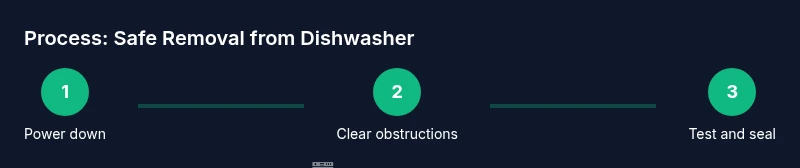
The key takeaways are to power down first, identify obstructions, use non-marring tools, and verify the door and seal after removal. With the right tools and a calm approach, you can safely remove items from a dishwasher and prevent future headaches. When in doubt, consult your model’s manual or a specialist to protect both your safety and the appliance’s lifespan.
Tools & Materials
- Safety gloves (nitrile or latex)(Protect hands from sharp edges and hot surfaces)
- Flashlight or headlamp(Ensure good visibility inside the tub)
- Dishwasher-safe bucket or shallow tray(Catch water and drops during removal)
- Towels or absorbent mats(Contain spills and protect floor)
- Non-marring pry tool or wooden spatula(Gently lift racks or parts without scratching)
- Screwdrivers (Phillips and flathead)(Use only if you need to access panels)
- Model-specific user manual or photos(Helpful for safety interlocks and disassembly steps)
Steps
Estimated time: 60-90 minutes
- 1
Power down and unplug
Switch the dishwasher off at the wall and unplug the cord if reachable. This minimizes electrical risk and prevents the door from engaging unexpectedly while you work.
Tip: If the unit is hardwired, switch off the home circuit breaker to ensure full de-energization. - 2
Drain standing water
Use a towel or shallow tray to catch remaining water from the tub. This reduces the risk of spills and keeps the interior dry for safe interior access.
Tip: Do not rely on gravity alone if water is near wiring; use a container to siphon or wick out water safely. - 3
Open door slowly and inspect
Gently open the door to relieve any built up pressure. Look for obvious obstructions like utensils or dishes near the door or spray arms.
Tip: Keep hands away from the hinge springs to avoid sudden movement. - 4
Clear obstructions
Remove items that block rack movement or seal contact. Use a flashlight to inspect around the sump and spray arms for loose parts or debris.
Tip: Work from the top down to minimize pushing debris further inside. - 5
Free the rack
Gently lift or slide the rack along its tracks. Avoid forcing; if resistance persists, back off and reassess for hidden obstructions.
Tip: If rack is jammed due to bent track, stop and consult the manual before applying force. - 6
Inspect seals and tracks
Check door seal, gasket alignment, and track cleanliness. Clean any residue and ensure the door can close evenly.
Tip: A misaligned gasket can cause leaks and sticky door action after reassembly. - 7
Test the door and cycle
Close the door gently and run a short empty cycle to confirm normal operation and check for leaks.
Tip: Watch for water escaping or unusual sounds during the test run.
People Also Ask
What should I do first if the dishwasher door won’t open?
First, ensure power is off and water is drained. Check for a jammed rack or debris blocking the latch, then proceed with a careful, step-by-step freeing process.
If the door won't open, start by cutting power and removing water, then check for jams before attempting to free the door safely.
Is it safe to use tools to pry the door open?
No. Prying can damage gaskets, interlocks, and wiring. Use non-marring tools to relieve pressure and free obstructions instead.
Avoid prying the door open with tools; use gentle, non-marring methods to free obstructions.
What if water leaks after removing the obstruction?
Turn off power and water supply, inspect the gasket and door alignment, and run a short test cycle to identify leaks. If leaks persist, contact a technician.
If leaks happen after removal, check the door seal and run a quick check cycle; call a professional if it continues.
Can I remove the door panel myself?
Some models allow partial panel access by following the user manual. If unsure, avoid disassembly to prevent electrical hazards.
Partial panel access is model dependent; consult the manual and avoid heavy disassembly if unsure.
When should I call a professional?
Call a professional if there is persistent resistance, visible damage, electrical smells, or if you are uncomfortable performing steps.
Call a pro if you feel unsure, or notice damage or smells that indicate a safety risk.
What are common causes of doors sticking?
Worn door seals, debris in the sump, misaligned racks, or a faulty latch commonly cause doors to stick.
Common sticking causes include worn seals, debris, and misaligned racks.
Watch Video
What to Remember
- Power down before touching the dishwasher.
- Clear obstructions with non-marring tools.
- Inspect and reseat seals after removal.
- Test the cycle to confirm leaks are gone.