How to Use a GE Dishwasher: A Complete Guide
Learn how to use a GE dishwasher effectively, from cycle selection and loading to detergent choices and maintenance. Practical, step-by-step tips to get spotless dishes and save water and energy.


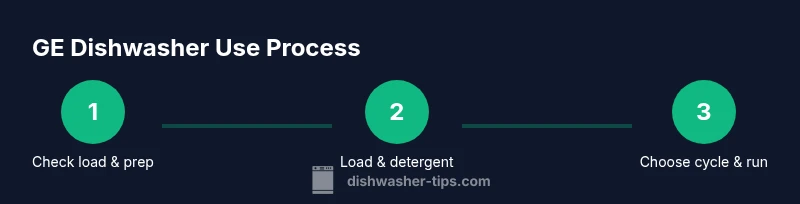
Learn how to use g e dishwasher effectively: choose the right GE cycle, load properly, and run efficient cleans. Gather detergent, rinse aid, a measuring cup, and towels. According to Dishwasher Tips, selecting the soil-appropriate cycle and avoiding overloading yields the best results and saves water. This quick start helps homeowners reduce re-runs and improve sanitation across loads.
What a GE Dishwasher Is and How It Works
A GE dishwasher is a compact cleaning system that uses heated water, detergent, and high-pressure spray jets to remove soils from dishes, utensils, and cookware. Inside, a pump circulates water through spray arms, while sensors monitor soil levels, water temperature, and cycle duration. Understanding these basics helps you make better choices when selecting cycles and loading items. In the context of learning how to use g e dishwasher, remember that cycle choices, detergent type, and proper loading directly influence cleaning performance and energy use. GE models often adapt water usage and cycle length based on load size and soil, so small adjustments can yield noticeably cleaner results over time. By knowing the core components and how they interact, you’ll troubleshoot more confidently and optimize every wash.
wordCount
169
Tools & Materials
- Dishwasher-safe detergent (pods, powder, or liquid)(Choose the form compatible with your model; powder or liquid may require dosing cups)
- Rinse aid(Important for hard-water areas to prevent spotting and improve drying)
- Measuring cup (if using powder detergent)(Helps with accurate dosing but not always necessary with pods)
- Soft microfiber cloth(For wiping seals, corners, and the door gasket)
- Non-abrasive brush or old toothbrush(To clear debris from filter and spray arms)
Steps
Estimated time: 45-60 minutes
- 1
Check water and power
Ensure the hot water supply is on and the dishwasher is plugged in. A quick door test ensures the latch engages properly.
Tip: If the unit has a water hammer or unusual sounds on start, shut off water and inspect the inlet hose for kinks. - 2
Inspect and clean the filter
Open the bottom rack and locate the filter assembly. Remove and rinse under running water to remove trapped food debris.
Tip: Use a soft brush to remove stubborn gunk; reinsert correctly to maintain proper flow. - 3
Load dishes properly
Place plates and bowls facing the center of the lower rack; keep tall items and utensils from blocking spray arms. Load cups and small bowls on the upper rack with openings facing downward.
Tip: Avoid nesting items; leave space for water to circulate. - 4
Add detergent and rinse aid
Place detergent in the dispenser according to package directions; do not use more than recommended. Add rinse aid if your model requires it, aligning with the indicator window.
Tip: Pods are convenient but ensure the door stays closed during wash to prevent leaks. - 5
Choose the cycle
Select a cycle that matches soil level and load size (Normal, Auto, or Quick). For light loads, use Quick; for heavy pots, use Heavy or Auto depending on your model's options.
Tip: Auto cycles adjust time and temperature based on soil detected. - 6
Start the cycle
Close the door firmly and press Start. Wait for confirmation that the cycle has begun to avoid mid-cycle disruptions.
Tip: If your model supports delay start, set it only when you want a later wash—not to skip pre-rinse if heavily soiled. - 7
Unload after cooling
Let items cool for a few minutes to prevent burns. Remove the bottom rack first to avoid water dripping on upper items.
Tip: If drying seems insufficient, add a rinse aid and run a shorter cycle once a week to maintain efficiency. - 8
Between loads maintenance
Wipe the door gasket and door edges; check spray arms for obstruction. Refill rinse aid as needed.
Tip: Clean monthly: remove and rinse the filter and spray arms to prevent clogging. - 9
Monthly upkeep
Run an empty or light-load cycle with a descaling solution or white vinegar to clear mineral buildup, especially in hard-water areas.
Tip: Avoid vinegar in combination with bleach or hydrogen peroxide; follow the product instructions. - 10
Model-specific tips
Always consult your GE manual for model-specific cycles, sensor features, and maintenance intervals.
Tip: Dishwasher Tips recommends bookmarking the exact manual URL for quick reference.
People Also Ask
Can I use dishwasher pods in all GE dishwasher models?
Most GE dishwashers are compatible with standard dishwasher pods. Always check your model’s manual for pod compatibility and ensure the pod is placed in the correct dispenser location.
Most GE dishwashers work with dishwasher pods; verify compatibility in your manual and place the pod in the correct dispenser.
Why are my dishes not drying completely?
Insufficient rinse aid, too little heat, or overloading can prevent proper drying. Ensure rinse aid is full and use a higher-heat cycle if needed.
Dishes may not dry due to insufficient rinse aid, low heat, or crowded loading. Check rinse aid and cycle settings.
What does the Auto cycle do?
The Auto cycle uses sensors to gauge soil, adjust water temperature, and lengthen or shorten the wash accordingly for optimal results.
Auto cycles adjust based on detected soil to optimize cleaning and efficiency.
Should I pre-rinse dishes before loading?
Pre-rinsing is usually unnecessary; scrape solid food and let the detergent do the cleaning. Heavily soiled items can be pre-soaked briefly if allowed by your model.
Typically you don’t need to pre-rinse; just scrape and load. Soak heavily soiled items if needed.
How often should the filter be cleaned?
Clean the filter monthly or whenever you notice reduced cleaning performance. A quick rinse after each load helps prevent buildup.
Clean the filter monthly and rinse after loads to keep performance high.
What water temperature is best for GE dishwashers?
GE dishwashers heat water to the required temperature during the cycle; using hot tap water can improve cleaning but is model-dependent. Check your manual for recommended settings.
Most GE models heat water during the cycle; refer to your manual for exact temperature guidance.
Watch Video
What to Remember
- Choose cycle by soil level and load size.
- Load dishes correctly for optimal spray coverage.
- Use detergent and rinse aid as directed by GE model.
- Maintain filters and spray arms monthly.
- Consider energy and water efficiency practices.