KitchenAid Dishwasher Repair: A Step-by-Step Guide
Learn to diagnose and fix common KitchenAid dishwasher issues with a practical, safety-focused walkthrough from Dishwasher Tips. This expert guide covers tools, parts, step-by-step repairs, and maintenance tips to extend your dishwasher’s life.


Goal: Diagnose and perform safe, basic KitchenAid dishwasher repairs at home. This guide covers common failure modes, essential tools, safety notes, and a step-by-step process to address drainage, filling, leaks, and cleaning performance. By following these steps, homeowners and renters can save time, avoid costly service calls, and extend the appliance’s life.
Why KitchenAid Dishwasher Repair Matters
A malfunctioning dishwasher disrupts daily routines and can waste water and energy. Repairing a KitchenAid unit—rather than replacing it—often preserves investment, reduces waste, and maintains performance. A careful diagnosis with the right tools lets you restore draining, cleaning, or drying as needed. According to Dishwasher Tips, practical at-home repairs for KitchenAid dishwashers are feasible with proper safety steps. This section explores why repair matters, how to approach repairs methodically, and where to focus initial efforts.
- Fixes often cost less than replacement and can extend the appliance’s life.
- Addressing the root cause rather than masking symptoms saves time and money.
- Adopting a systematic diagnostic approach reduces missteps and ensures safety.
Common Problems and Diagnostics
KitchenAid dishwashers share several recurring issues, including drainage problems, poor cleaning, leaks, and error codes. A structured diagnostic process helps you identify the underlying cause before you replace parts. Dishwasher Tips analysis shows that clogged filters and pump wear are among the top contributors to not draining and poor cleaning. Start with the simplest checks (filters, spray arms) before diving into pumps or valves. If a code appears, consult the user manual for the meaning and recommended action. A calm, methodical approach minimizes unnecessary part replacement and keeps the project approachable for homeowners and renters alike.
Tools, Safety, and Setup
Before you begin, unplug the dishwasher and shut off the water supply to avoid any electrical or leak hazards. Gather essential tools such as a screwdriver set, pliers, a multimeter, and towels to manage spills. Use a shallow tray to catch water that remains in hoses, and wear gloves to protect your hands from sharp metal edges. Check the manual for specific model instructions and compatible replacement parts. Keep your work area dry and well-lit to improve precision and safety throughout the repair.
Replacing Worn Components: Gaskets, Pumps, and Sprays
Worn gaskets, damaged spray arms, or a failing pump shaft are common culprits behind leaks, poor cleaning, or not draining. Replacement parts should match your KitchenAid model exactly; verify part numbers from the user guide or a reputable parts supplier. Gaskets and door seals prevent leaks, while the pump and impeller handle water movement. When replacing parts, work slowly, re-seat hoses firmly, and test without dishes to verify the fix. If a component shows visible damage or persistent failure after replacement, reassess the diagnosis to avoid unnecessary parts swapping.
Maintenance Practices to Extend Life
Regular maintenance is often enough to keep a KitchenAid dishwasher performing well between major repairs. Clean the filter and spray arms weekly, run empty cycles with a dishwasher cleaner every 1–2 months, and inspect door latches for proper closure. Use the right detergent and rinse aid as recommended by the manufacturer to maximize performance and energy efficiency. These habits reduce the likelihood of mineral buildup and improve overall longevity.
When to Seek Professional Help
If you encounter persistent leaks, electrical smells, or codes you cannot interpret, it’s prudent to call a licensed technician. Complex pump failures, control board issues, or gas-adjacent components require specialized tools and diagnostic expertise. The Dishwasher Tips team recommends evaluating the cost of professional service against the appliance’s current value, especially if your unit is out of warranty or has multiple failing subsystems.
mainTopicQuery":"kitchenaid dishwasher repair"],
toolsMaterials
analysis to be replaced
Tools & Materials
- Screwdriver set (Phillips and flathead)(Phillips #2 and flathead; magnetic tips recommended)
- Nut driver set(Various sizes for hose clamps and mounting hardware)
- Pliers (slip-jjoint and needle-nose)(For hose clamps and squeeze clamps)
- Multimeter(For checking electrical continuity and component function)
- Bucket or tray(To catch residual water and spills)
- Towels or rags(Absorb spills and wipe surfaces dry)
- Replacement door gasket(Only if you find a damaged seal during inspection)
- Replacement spray arm (if clogged/damaged)(Model-specific fit; verify compatibility)
- Dishwasher-safe cleaner brush(Used for filters and spray arms)
- Safety gloves(Protect hands from sharp edges)
Steps
Estimated time: 60-90 minutes
- 1
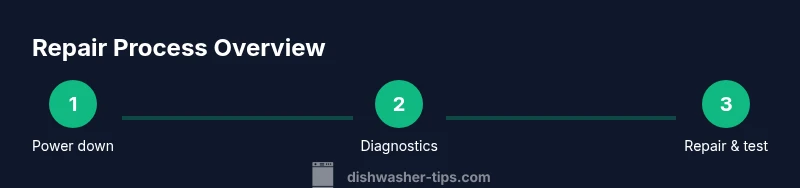
Power down and prepare
Unplug the dishwasher from the wall outlet and shut off the water supply. Disconnect the power at the breaker if you’re comfortable doing so, to remove any risk of shock. Remove accessible panels to access the sump area and diagnosis points. This initial step sets a safe baseline for the rest of the procedure.
Tip: Tag the power cord and water supply lines so you can restore connections accurately. - 2
Check the filtration and spray arms
Remove the lower rack to access the filter basket and spray arms. Clean any debris from the filter, check for clogs in the spray arms, and ensure no obstructions prevent water flow. A clean path is critical for effective cleaning and drainage.
Tip: Use a soft brush to remove mineral buildup without scratching the plastic components. - 3
Inspect the door and latch
Make sure the door latches fully and seals tightly when closed. A faulty latch can prevent cycles from starting or cause leaks. If the door doesn’t seal properly, replace the gasket and re-test with a short run.
Tip: Check for misaligned hinges or warped doors that impede a proper seal. - 4
Test the drain pump and hoses
Access the drain pump and associated hoses to look for cracks, disconnections, or blockages. Detach hoses and inspect for debris; reattach securely and run a short cycle to observe drainage. A blocked drain is a common cause of standing water after a cycle.
Tip: Don’t squeeze hoses too hard—use gentle pressure to inspect for cracks. - 5
Check the water inlet valve
Ensure the water inlet valve opens fully during a cycle. A failing valve or clogged inlet screen can prevent your dishwasher from filling properly. If you suspect the valve, test for continuity with a multimeter and consider replacement if readings are out of spec.
Tip: Consider replacing the valve as a single, cost-effective fix if no other issues are found. - 6
Test, document, and plan next steps
Plug back in, reassemble any panels, and run a test cycle with no dishes. Listen for unusual noises and check for leaks or poor spray performance. If the issue persists, plan targeted part replacements or seek professional help.
Tip: Take photos of each step to track changes and ensure correct reassembly.
People Also Ask
What is the most common KitchenAid dishwasher issue?
Not draining or poor cleaning are among the most frequent problems. Start by cleaning the filter and inspecting the drain pump for clogs. If issues persist, inspect spray arms and seals.
Most common issues are not draining or not cleaning well; clean filters first, check the drain, then inspect spray arms.
Is it safe to repair a dishwasher myself?
Basic repairs are safe if you follow safety steps: unplug, shut off water, wear gloves, and use the right tools. Avoid working with live electrical components.
Yes, for many common fixes, as long as you disconnect power and water and use proper tools.
Can I replace a gasket or spray arm myself?
Yes, with model-specific parts and careful reassembly. Ensure the new gasket seats evenly and the spray arm is mounted firmly for optimal performance.
Yes, gasket and spray arm replacements are doable with the right parts and careful reassembly.
When should I replace the drain pump?
If cleaning the filter and checking hoses doesn’t resolve drainage, or you hear a grinding noise, the pump may be failing and require replacement.
If it still doesn’t drain after checking the filter and hoses, consider replacing the pump.
Does warranty affect DIY repairs?
Warranties vary; check the manual or warranty terms. Some repairs by unauthorized technicians may void coverage—focus on non-warranty components first and consult support if in doubt.
Warranties can be affected by DIY repairs, so verify terms before you replace major parts.
Watch Video
What to Remember
- Unplug and isolate power before any repair
- Start with filters and spray arms for quick wins
- Use model-specific parts for reliable repairs
- Regular maintenance prevents many common failures