Where is Dishwasher Drain Hose: Find and Inspect
Learn where to locate the dishwasher drain hose, how to inspect it for issues, and practical steps to fix common draining problems. A thorough, homeowner-friendly guide by Dishwasher Tips.


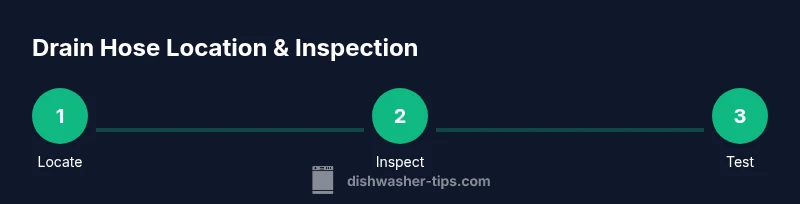
If your dishwasher isn’t draining, the first step is to locate the drain hose, usually at the back of the unit or beneath the sink area, and trace it to the disposal or standpipe. This guide shows you how to find, inspect, and test the hose for kinks, leaks, or clogs, and what to do next.
Understanding the drain hose role in your dishwasher
The drain hose is the flexible conduit that carries wash water from the dishwasher to your home's plumbing. If it becomes clogged, kinked, or disconnected, you may see standing water in the tub or slow draining. For many homeowners, the question where is dishwasher drain hose located is answered quickly: it's behind the appliance or beneath the sink area, routed to the sink drain or garbage disposal. According to Dishwasher Tips, understanding the hose location helps you diagnose drains faster and prevent overflows. In this guide, we'll walk through locating, inspecting, and fixing common problems, with a focus on safe, step-by-step actions. This approach aligns with Dishwasher Tips' educational standards and provides a practical path for homeowners and renters troubleshooting appliance issues.
Where is the dishwasher drain hose located: model variations
Most built-in dishwashers have a drain hose that runs from the back of the machine to either a disposal port or a standpipe under the sink. Portable units may route differently, sometimes into an adapter on the sink drain. Under-sink access panels might be needed for some models. Regardless of layout, you should be able to locate the hose by following the hoses that leave the bottom rear of the unit. We'll cover typical layouts and how to identify the hose in your specific model and how variations affect routing, clamps, and potential leaks.
Preparing for inspection safely
Before touching any plumbing, unplug the dishwasher and shut off the water supply. Wear gloves and use a flashlight to inspect dim recesses. Place towels and a shallow basin nearby to catch any drips. If your unit is connected to a disposal, know the disposal switch location and avoid forcing connections. These precautions protect you from electrical hazards and water damage. Dishwasher Tips recommends taking a quick photo of hoses and clamps before moving anything so you can reassemble accurately. Preparing properly reduces the risk of accidental leaks and makes subsequent steps smoother.
Accessing the drain hose under the sink area
Accessing the drain hose often requires removing the bottom kickplate or an under-sink panel. Slide the dishwasher slightly away from the wall if needed, being careful not to strain water lines. With the panel off, you’ll see the hose leaving the rear of the dishwasher and connecting to the drain stub or disposer. If your hose is hard to reach, use a flashlight and mirror to trace its path, then carefully loosen any clamps or fasteners that secure it to the outlet.
Inspecting the hose for obvious issues
Look for visible damage such as cracks, bulges, or pinhole leaks along the hose length. Check for kinks or sharp bends that could impede flow. Inspect the entire length, including the end that attaches to the disposal or drain, and verify there are no missing or damaged clamps. If you see wear or brittleness, plan to replace the hose rather than patching it. A damaged hose is a common cause of slow draining and leaks.
Checking the hose clamps and connections
Tighten or reseat hose clamps at both ends so there is a snug seal without pinching the hose. If clamps are corroded or loose, replace them with new, stainless-steel or plastic clamps designed for dishwasher use. Ensure the hose end sits fully seated on the port; a loose connection can allow air and water to escape, creating a siphon effect that reduces drainage. Recheck after tightening to confirm a clean, leak-free fit.
Examining for clogs and blockages
If drainage is still slow, inspect the hose interior for buildup or debris. A compressed section of hose or a partial clog can occur where the hose turns or where it connects to the drain. Detach the hose end at the sink or disposal and, if possible, gently flush it with running water or a bottle brush. Do not use harsh chemicals that could damage the hose material. When in doubt, replace the hose to ensure optimal flow.
Testing the drainage with a simple flow test
With everything reattached, run a short empty cycle to observe drainage. Listen for unusual gurgling sounds or water remaining in the tub after the cycle completes. If water drains quickly and cleanly, you’ve likely resolved the issue. If water still pools, recheck hose routing and connections or consider replacing the hose as a last resort. Consistent testing helps confirm that the problem is resolved.
Fixing common hose problems: reseating, replacing, or upgrading
Start by reseating both ends and tightening clamps, then test again. If you notice any cracks, tears, or obvious wear, replace the hose with a standard, compatible replacement. Upgrading to a reinforced or longer hose can prevent future kinks or accidental disconnections, especially in tight laundry areas. Keep spare clamps on hand and measure the hose length before purchasing a replacement to ensure a proper fit.
Best practices for hose routing to prevent drains
Route the hose so that it rises above the flood level rim and avoids sharp bends. Do not loop the hose under the sink trap or create a low point where water can stagnate. Avoid routing the hose near power cords or heat sources. A clear, elevated path helps prevent siphoning and reduces the risk of backflow. A tidy, high-path routing also makes future maintenance easier.
Maintenance routine to prevent future problems
Make it a habit to inspect the drain hose every 3–6 months, especially after heavy use or if you notice changes in draining performance. Check clamps, hose length, and routing during routine appliance maintenance. If you have hard water, consider periodic flushing with clean water to remove mineral buildup. Consistent upkeep reduces the likelihood of leaks and clogs over time.
Common mistakes to avoid
Avoid timing your repair around busy days when you rush through the steps. Do not force hoses through tight spaces or over-tighten clamps, which can cut or crack the hose. Never operate the dishwasher with a loose or damaged hose. Finally, avoid using abrasive tools that could nick the hose during disassembly; use hand tools and gentle handling to preserve hose integrity.
Authoritative sources
For further reading and formal guidance, consult authoritative sources:
- https://www.energy.gov/energysaver/articles/dishwashers
- https://www.cpsc.gov/safety-guides/home-appliances
- https://www.epa.gov/neighborhoodsafe-dishwashers
Tools & Materials
- Phillips screwdriver(for kickplate screws)
- Flathead screwdriver(optional prying tool)
- Pliers(loosen clamps without damaging hose)
- Towels or rags(catch leaks and spills)
- Bucket(trap pooled water during testing)
- Replacement drain hose(have on hand if hose is damaged)
- Cable ties or hose clamps(secure hose ends and routing)
- Flashlight(inspect hard-to-see areas)
Steps
Estimated time: 30-60 minutes
- 1
Power down and shut water
Unplug the dishwasher at the outlet and turn off the water supply to prevent leaks and electrical hazards. This is essential before any inspection.
Tip: Have towels ready for accidental drips; confirm the unit is truly unplugged before touching any components. - 2
Move the unit and gain access
Gently pull the dishwasher away from the wall to access the rear and underside. Ensure there are no kinks in the supply line and identify the drain hose path.
Tip: Take a photo of the setup before disassembly to aid reassembly. - 3
Remove the kickplate or panel
Remove screws securing the kickplate or bottom panel so you can see the drain hose and clamps. Do not force panels if they are stubborn.
Tip: Support the panel with your hand as you loosen screws to avoid bending metal. - 4
Trace the drain hose
Follow the hose from the dishwasher to its connection at the sink drain or disposal. Note any kinks or turns that may impede flow.
Tip: Use a flashlight to inspect hidden bends and clamps along the entire length. - 5
Inspect clamps and connections
Check clamps at both ends for tightness and integrity. Replace any corroded or damaged clamps and reseat the hose firmly.
Tip: If clamps refuse to tighten, replace with new ones to maintain a secure seal. - 6
Check for clogs or damage
Inspect the hose interior for cracks or obstructions. If you see damage, plan a hose replacement rather than patching.
Tip: Do not use sharp tools to poke through the hose; use a flexible brush or pipe cleaner instead. - 7
Test drainage flow
Reconnect and run a short empty cycle to observe drainage. Listen for leaks and confirm water exits quickly.
Tip: Keep a bucket nearby in case of spills during testing. - 8
Reassemble and finalize
Reattach the kickplate, restore power, and position the unit. Verify there are no leaks after a full cycle.
Tip: Document any changes made so future maintenance is easier.
People Also Ask
Where is the dishwasher drain hose usually located?
Most dishwashers have the drain hose at the back, connecting to the sink drain or garbage disposal. In some setups, it travels under the sink to a standpipe. If you can't locate it, trace the hose from the rear of the unit toward the drain.
Usually at the back of the dishwasher, connecting to the sink drain or disposal.
What causes a dishwasher drain hose to back up?
Backups are typically caused by a clog further down the drain line, a kink in the hose, a loose connection, or an air gap that isn't functioning properly.
Most backups come from clogs, kinks, loose connections, or air gaps.
Can I replace the drain hose myself?
Yes. You can replace the hose with a compatible replacement and reattach clamps. Always start by unplugging power and shutting the water off, and work calmly to avoid leaks.
Yes—if you’re comfortable with basic plumbing, you can replace the hose yourself.
Do I need a professional for drain hose issues?
Most routine inspections and replacements can be done by a confident homeowner. If leaks persist, the dishwasher won’t drain, or you can’t access the hose safely, call a technician.
Usually not, but hire a pro if leaks persist or you can’t reach the hose safely.
What routing mistakes should I avoid?
Avoid sharp bends, loops below the flood rim, or routing the hose near power cords. Don’t tape the hose in place; use clamps, so drainage isn’t restricted.
Avoid sharp bends and loops that trap water.
How often should I inspect the drain hose?
Inspect during regular appliance maintenance, at least twice a year, and after any drainage problem to catch issues early.
Do a quick check during routine maintenance, about twice a year.
Watch Video
What to Remember
- Identify the hose route behind the unit
- Inspect hose, clamps, and connections for damage
- Test drainage with a short cycle to verify fix
- Replace damaged hoses rather than patching
- Maintain routine checks to prevent future problems