Depth Dishwasher: A Practical Guide to Fit, Install, and Performance
Meta description: Learn how depth affects fit, installation, and performance. Compare standard vs compact depths, measure correctly, and pick models that suit your kitchen.


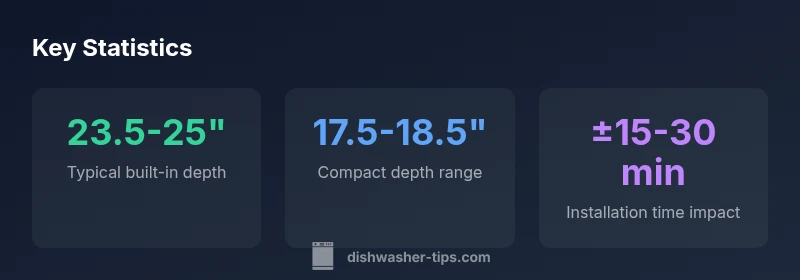
Depth matters when selecting a dishwasher: standard built-in models are typically 23.5–25 inches deep, while compact 18-inch units shorten to about 17.5–18.5 inches. Always measure cabinet depth, door swing, and toe-kick clearance to ensure a flush fit and full door opening. Depth considerations influence installation, accessibility, and overall performance.
Understanding Depth and Fit
Depth, measured front-to-back, is one of the most critical dimensions when selecting a dishwasher. The depth of a unit determines whether it will sit flush with surrounding cabinetry or protrude into the kitchen. For homeowners and renters evaluating a “depth dishwasher”, the key is to align the appliance depth with your cabinet depth, toe-kick clearance, and door swing space. In practice, a misjudged depth can create a visible gap, hinder door operation, or complicate seating and traffic flow nearby. The Dishwasher Tips team emphasizes that accurate depth assessment reduces surprises during installation and helps preserve kitchen aesthetics. When you plan for depth, you also account for any venting requirements and water supply lines that may affect how deeply the unit can sit. A well-chosen depth improves loading ergonomics and ensures tall items fit in the lower rack without obstruction.
Practical takeaway: depth is not just about the appliance body; it’s about how the machine integrates with your counter, cabinets, and floor. This is particularly important in renovated kitchens or compact spaces where every inch counts.
Standard vs Compact Depth Dishwashers
Most homes use standard-depth dishwashers, typically around 23.5 to 25 inches deep. These models fit seamlessly under standard countertops and align with 24-inch-wide cabinet openings. In contrast, compact or 18-inch-wide models bring a shallower footprint, usually around 17.5 to 18.5 inches deep. These units are ideal for apartments, tiny kitchens, or islands where swing clearance is limited. When evaluating a depth dishwasher, compare both categories to determine whether you gain interior loading efficiency or a better overall fit in your space. Remember that compact models often trade some interior capacity for their smaller exterior depth, so check interior dimensions to ensure you can load your typical dishes, pans, and tall glasses.
Key tip: if you’re replacing an old unit, measure not only depth but the space behind the door when open, to avoid clearance problems. A slightly deeper model can still fit if the cabinet cutout and toe-kick are adjusted.
Measuring Depth in Your Kitchen
Accurate measurement starts with a simple before-you-buy checklist. Use a tape measure to capture: (1) cabinet depth from the front of the face frame to the back wall, (2) the depth available behind the hinge door or kick plate, and (3) clearance for plumbing and electrical connections. Don’t forget to measure the toe-kick height to ensure the dishwasher will sit squarely. If you’re installing a flush-mount unit, you may need to trim or modify surrounding cabinetry. Mark a dry-run line on the cabinet face to visualize how the appliance will sit once installed. In most kitchens, you should also verify whether the countertop overhang or backsplash imposes any extra depth constraints at the upper portion of the cabinet.
Checklist snippet: measure cabinet depth, check door swing clearance, verify toe-kick space, account for plumbing, and confirm venting space. The goal is a precise fit that preserves aesthetics and function.
How Depth Affects Loading and Accessibility
The interior depth of a dishwasher shapes where items travel during cycles. Deeper machines often offer taller upper racks and more stable loading zones for stemware and bowls. Shallower units may excel at loading plates and standard kitchenware but could limit tall items. If you frequently load large pots or deep-dish pans, a deeper model can improve ergonomics and reduce the risk of items touching the spray arm. Conversely, in a shallow-depth unit, you may need to reorganize items to maximize water exposure and cleaning performance. When evaluating a depth dishwasher, compare interior depths and rack configurations to match your typical loading patterns.
Smart move: test-load a few common dishware shapes in the prospective interior dimensions to ensure your routine items fit without rearranging after every wash.
Installation Considerations by Depth
Depth affects installation drama in several ways. A standard 24-inch cabinet space often assumes a standard 23.5–25 inch appliance depth. If you choose a shallower model, you may need to adjust toe-kick or add shims to keep the door aligned. For deeper units, verify that supply lines, drainage, and electrical outlets leave enough room behind the unit for connections and ventilation. When possible, reference the model’s installation manual early and plan space for an acceptable air gap and vent clearance. If your kitchen uses an island or peninsula, depth compatibility becomes even more critical because there’s less room for harnessing hoses and connectors behind the unit.
Pro tip: hire a pro for flush installations in tight spaces or if you’re replacing cabinetry; proper alignment prevents service calls and ensures a long service life.
Buying Guide: Matching Depth to Cabinets and Doors
Your depth decision should start with cabinet depth and the available toe-kick clearance. For standard 24-inch cabinetry, a 23.5–25 inch deep dishwasher is usually a safe bet. If your space is tighter, consider an 18-inch compact model, but verify interior capacity and loading practicality. Always check the warranty and installation requirements for depth compatibility with your existing plumbing and electrical layout. When possible, compare several models within your chosen depth range to observe differences in rack designs, spray patterns, and noise levels. A thorough assessment of depth will reduce surprises after delivery and help you budget for potential cabinetry adjustments.
Bottom line: the deepest and most straightforward fit reduces installation friction, but you must balance depth with interior capacity and your kitchen’s layout.
Common Pitfalls and Quick Fixes for Depth Issues
Depth-related installation problems are common in kitchens with custom cabinetry. If a model sits proud of the counter or interferes with door swing, recheck the cabinet depth and the unit’s trim kit compatibility. For flush installations, you may need to modify toe-kicks or cabinet panels to achieve a seamless appearance. If you notice a misalignment after installation, check the mounting brackets and side clearance; small shims or bracket repositioning often resolve the issue. Keep a simple toolkit on hand for fine-tuning the alignment and door clearance—this saves time and protects the finish during routine maintenance.
Remember: depth is a practical design constraint; it’s not a fixed, one-size-fits-all parameter. Tailor your choice to your kitchen’s actual dimensions, not an idealized spec.
Depth ranges by dishwasher model type
| Model Type | Typical Depth Range | Common Use |
|---|---|---|
| Standard Built-In | 23.5-25 inches | Most homes with full-depth cabinets |
| Compact (18-inch) | 17.5-18.5 inches | Small kitchens or apartments |
| Countertop | 18-22 inches | Temporary or portable setup |
People Also Ask
What is the standard depth for most built-in dishwashers?
Most built-in dishwashers are designed to fit standard cabinetry and sit about 23.5 to 25 inches deep. Always verify the exact depth in the model specs and compare against your cabinet depth.
Most built-ins are around 24 inches deep; check your model specs for exact depth.
How do I measure depth before buying a dishwasher?
Measure cabinet depth from the front of the cabinet face to the back wall, plus toe-kick clearance and any plumbing or venting space behind the unit. Use a tape measure and double-check with the installation guide.
Measure depth, toe-kick, and back clearance; consult the manual before purchase.
Are countertop dishwashers deeper than standard machines?
Countertop dishwashers vary but are generally shallower than built-ins, and their depth is influenced by the countertop height and the open space beneath. Check interior capacity to ensure your plates and pans fit.
Countertop units are typically shallower; confirm interior space for dishes.
Does depth affect cleaning performance?
Depth itself does not determine cleaning power; it influences interior space and rack layout, which can affect loading efficiency. Focus on interior depth and spray arm design for performance.
Depth mainly affects fit and loading space, not cleaning power.
What if my kitchen space is irregular and depth varies?
If space is uneven, consult a professional installer. They can assess cabinet tolerances, trim options, and ensure the dishwasher aligns with surrounding surfaces.
If the space is irregular, get a pro to help with trim and alignment.
Do I need to adjust cabinets for deeper models?
Deeper models may require trim kits or toe-kick adjustments to keep doors aligned and ensure a flush look. Always follow the model’s installation instructions.
Deeper models may need trim or toe-kick adjustments.
“Depth is the gatekeeper of a successful installation. If the unit doesn’t align with your cabinet depth, you’ll face misfit, door issues, and suboptimal performance.”
What to Remember
- Measure cabinet depth before shopping
- Standard-depth dishwashers fit most kitchens
- Compact models suit tight spaces but check interior capacity
- Plan for door swing, toe-kick, and plumbing clearance
- Verify depth specs with model manuals before purchase