How to Get Rid of a Washing Machine: A Practical Disposal Guide
Learn practical, compliant steps to dispose of an old washing machine. Donations, recycling, and haul-away options explained with safety tips from Dishwasher Tips.


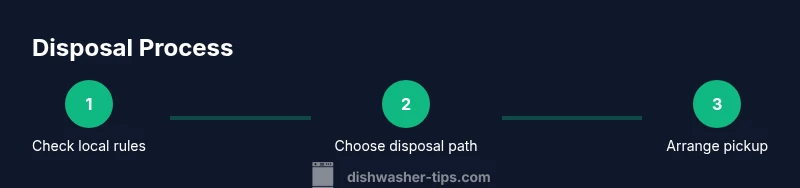
To get rid of a washing machine responsibly, unplug it, drain the water, and disconnect hoses. Then choose a disposal path: donation, recycling, or haul-away. Check local rules for curbside pickup or drop-off sites. If feasible, consider repair or resale first. According to Dishwasher Tips, responsible disposal protects people and the environment.
Why Getting Rid of a Washing Machine Properly Matters
Disposing of a washing machine correctly matters for safety, the environment, and your community. Old appliances can leak residual water, contain materials that should be recycled, and take up space in landfills. A thoughtful disposal plan helps recover metals and plastics, reduces hazardous waste, and supports local recycling streams. The Dishwasher Tips team emphasizes that starting with the most sustainable option—donation or repair—often yields the best overall outcome. Understanding local rules and choosing certified recyclers reduces liability and ensures the unit is processed responsibly.
Practical Disposal Routes
There are several viable paths to get rid of a washing machine, depending on its condition and your location. Donating a still-working machine to a charity or neighbor can extend its life and save resources. Recycling programs at municipal facilities or private recyclers will extract metals and plastics for reuse. Some areas offer curbside haul-away services for a nominal fee or no charge if bundled with other bulky items. Finally, selling a non-working unit for parts or repurposing projects can recover some value. Dishwasher Tips analysis shows the most sustainable outcome is chosen when homeowners explore multiple options rather than defaulting to trash.
Preparing the Appliance for Disposal
Preparation is key to safe, efficient disposal. Start by unplugging the unit and shutting off the water supply to the floor valve. Then unplug the power cord and disconnect both hot and cold hoses. Drain all standing water by tilting the washer slightly and using towels to soak any leakage. Secure the lid or door to prevent accidental opening during transport. If feasible, remove detachable parts such as hoses and fill valves for separate disposal or recycling."
How to Find Local Options
Your city or county website is the best starting point for disposal options. Look for bulky-item pickup, appliance recycling programs, or e-waste events. Call your local waste management authority to confirm whether the washer can be placed at curbside, needs to be dropped at a facility, or can be picked up by a licensed recycler. Some retailers offer free haul-away when you purchase a replacement. Dishwasher Tips recommends contacting at least two providers to compare timelines and any fees, ensuring you meet all local requirements.
Safety and Legal Considerations
Never ignore local regulations about disposing large appliances. Some jurisdictions require proof of removal by a licensed recycler, while others allow curbside disposal only with proper labeling. Improper disposal can lead to fines or environmental harm if refrigerants or other fluids are present and mishandled. If your unit contains residual refrigerants or foam, do not attempt to discharge these substances yourself. Always use licensed services who follow environmental guidelines and document the process for your records.
What Not to Do
Do not throw a washing machine into the regular trash if your area bans bulky items or requires recycling. Do not drain chemicals or fluids into the environment, drains, or storm sewers. Avoid attempting to move a heavy machine without proper equipment or assistance; injuries are common when lifting alone. Do not disassemble electronics or weld metal parts on-site; many components are recyclable but require specific handling. Finally, don’t ignore warranty or manufacturer-recycling programs that might apply to your model.
Quick Disposal Day Checklist
- Confirm disposal options with your local authority and book a slot if required.
- Unplug the unit, turn off water, and disconnect hoses.
- Drain residual water and secure the tub so it won’t swing or leak.
- Photograph the machine and its serial number for recycling or resale records.
- Prepare the unit for transport with a moving strap or dolly if available.
- Ensure the disposal provider has the correct address and access instructions.
- Collect receipt or confirmation of pickup or drop-off for your records.
Next Steps & Resources
After disposal, consider keeping a simple log of where your appliance went and the date of disposal. If you’re unsure about a specific location’s rules, the best practice is to ask a few reputable recyclers for a written disposal plan. For ongoing guidance, refer to municipal websites and consumer guidance portals. The Dishwasher Tips team encourages homeowners to view disposal as part of a broader stewardship approach—prioritizing reuse, then recycling, then responsible haul-away.
Tools & Materials
- Gloves (heavy-duty)(Protect hands from sharp edges and rust)
- Screwdriver set (flat and Phillips)(Remove any panels if needed for access)
- Pliers or adjustable wrench(Loosen hose clamps and fittings)
- Bucket and towels(Catch and absorb residual water)
- Dolly or appliance cart(Move heavy washer safely; require at least one helper)
- Trash bags and sealable containers(Contain hoses and small parts for transport)
- Marker and tape(Label parts for recycling or parts salvage)
- Old blankets/moving blankets(Protect surfaces during transport)
Steps
Estimated time: 60-120 minutes
- 1
Check local disposal options
First, verify what disposal options your city supports. Review whether the washer can be curbside-dropped, needs to go to a recycling facility, or qualifies for a charity pickup. This step avoids costly mistakes and ensures you follow local rules.
Tip: Call your waste department to confirm timing and disposal method. - 2
Unplug power and shut off water
Unplug the washing machine from the wall outlet and shut off the water supply at the valve. This prevents accidental flooding during removal and reduces the risk of electrical hazards.
Tip: If the outlet is hard to reach, hire a professional to avoid strain. - 3
Disconnect hoses and drain residual water
Carefully detach the hot and cold water hoses. Place towels in the bucket and slowly tilt the unit to drain any remaining water. Secure the hoses so they can't leak during transport.
Tip: Keep a spare bucket handy for any unexpected drips. - 4
Prepare for transport
Remove additional panels if needed, and secure the door or lid. Use moving blankets to protect the surface and strap the unit to a dolly if available.
Tip: Enlist a second person to help guide the machine to the vehicle. - 5
Choose your disposal path and arrange pickup
Contact the chosen disposal provider and schedule a pickup or confirm drop-off details. If you’re donating or recycling, bring any required documentation or proof of ownership as requested.
Tip: Take a photo of the unit’s condition and the pickup label for records. - 6
Obtain receipt and confirm processing
Collect a receipt or confirmation that the washer has been removed and recycled or processed. Store this with your records in case you need it for warranties, audits, or tax purposes.
Tip: Keep digital copies in cloud storage for easy access. - 7
Follow up on recycling results
If you used a recycling service, verify that the appliance was processed at an appropriate facility and that hazardous fluids were managed properly. This ensures true environmental compliance.
Tip: Ask for a chain-of-custody document if available. - 8
Review future options to minimize waste
Consider options such as donating a working unit to extend its life, repairing a malfunctioning unit when feasible, or choosing models with easier end-of-life management for the future.
Tip: Document lessons learned to simplify future disposals.
People Also Ask
Can I throw a washing machine in the regular trash?
Many places prohibit placing bulky appliances in regular trash. Check local rules; some require recycling or a special bulk pickup. Always use an approved disposal method to avoid fines.
Many areas ban tossing a washing machine with the regular trash; check your local rules and use an approved disposal method.
Is donating a washing machine a good option?
If the unit is operational, donating to a charity or community group can extend its life and help someone in need. Confirm donation criteria and have the unit cleaned before handing it over.
Donating is a great option if the machine works; verify the charity's criteria and prepare the unit for pickup.
How much does disposal typically cost?
Costs vary by location and method. Some programs offer free haul-away with a replacement, while private recyclers may charge a fee. Contact multiple providers for a transparent estimate.
Costs differ by area and service; ask for a written quote before scheduling.
What should I do with the hoses and parts?
Disconnect and drain hoses, then decide whether to recycle them with the machine or dispose of them separately according to local guidelines. Some facilities accept hoses as recyclable material.
Detach and drain hoses, then recycle or dispose of them per local rules.
Do I need a special certificate or paperwork?
Some recycling programs provide a receipt or certificate of removal. Keep it for your records, especially if required for proof of disposal in the future.
Yes, some programs give a removal receipt; keep it for records.
What if the washing machine still works but I want to upgrade?
If you plan to upgrade, consider donating the old unit or selling it locally. Many buyers value a working machine even if it’s older, and the buyer may pick up the unit.
If it still works, consider donation or sale rather than disposal.
Are there environmental concerns with disposal?
Improper disposal can leak fluids or release materials into the environment. Use licensed recyclers who follow environmental standards to minimize impact.
Environmental concerns are real; use licensed recyclers to minimize impact.
Watch Video
What to Remember
- Plan disposal early with local authorities.
- Prioritize repair or donation before recycling.
- Document the removal for accountability.
- Choose a licensed recycler to protect the environment.