How to Get Rid of a Dishwasher: Safe Disposal Guide
Learn practical, step-by-step methods to dispose of an old dishwasher safely and legally. From donation and recycling to bulk pickup, this guide covers prep, handling, and best practices to minimize waste.


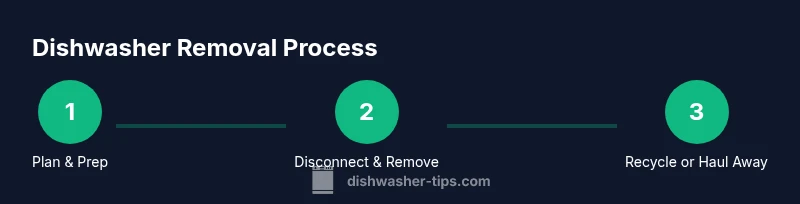
To get rid of a dishwasher, start by unplugging the unit and turning off the water supply. Then disconnect hoses, drain residual water, and secure the door. Decide between donation, recycling, selling, or bulk pickup based on condition. Always check local disposal rules.
Planning your disposal ethically and legally
If you’re wondering how to get rid of a dishwasher, the first step is to plan with safety and legality in mind. Most households have several viable options, including donating a working unit, recycling the metal and components, or arranging bulk waste pickup through municipal services. Before you act, check local guidelines for bulky appliance removal and recycling programs, because rules vary widely by city and county. In many communities, appliances must be recycled rather than landfilled.
Dishwasher Tips emphasizes the importance of choosing a path that minimizes environmental impact while reducing clutter. Start by assessing the appliance’s condition: does it run reliably, or is it a about-to-break model? If it still operates, donation or resale may be the greenest option. If not, recycling or a certified appliance recycler becomes the smarter choice. This planning stage also helps you estimate time, gather tools, and coordinate with family or neighbors for help.
A well-planned disposal reduces the risk of injury and ensures you meet local regulations. It also helps you leverage community resources, potential pickup services, and resale channels that can offset some disposal costs. When in doubt, contact your city’s waste management office or a local appliance recycler for a quick, authoritative plan that fits your neighborhood rules.
According to Dishwasher Tips, framing the project around safety and compliance from day one makes the rest of the process smoother and less stressful for homeowners and renters alike.
note":null} ,
Tools & Materials
- Adjustable wrench(To loosen water inlet fittings and mounting hardware)
- Screwdriver set (Phillips and flathead)(For removing brackets, panels, and screws )
- Pliers(Useful for clamps and hose fittings)
- Bucket or towels(Catch residual water in hoses to prevent spills)
- Gloves (heavy-duty)(Protect hands from sharp edges and hot metal)
- Dolly or helper(Assist with moving a heavy appliance safely)
- Moving straps or blankets(Protect floors and control heavy lifting)
- Tape or rope(Keep doors secured during transport)
- Marker(Label hoses and connections for reassembly or disposal)
Steps
Estimated time: 2-3 hours
- 1
Prepare the workspace
Clear the area around the dishwasher, remove nearby furniture if needed, and ensure you have a clear path to move the unit from the kitchen to the vehicle or disposal point. This reduces the likelihood of accidents and damage to your home.
Tip: Have a second person ready to help guide the unit and manage any unanticipated obstacles. - 2
Unplug the dishwasher
Locate and unplug the electrical cord from the wall outlet. If the unit is hard-wired, switch off the circuit at the breaker panel and verify there is no power before proceeding.
Tip: Use a dry hand and stand on a dry surface to avoid shocks. - 3
Shut off the water supply
Turn off the water valve supplying the dishwasher, usually located under the sink or behind the unit. This prevents water from leaking when you disconnect hoses.
Tip: If you can’t reach the valve easily, turn off the main water supply temporarily. - 4
Disconnect the water inlet hose
Using the adjustable wrench, loosen and remove the water inlet hose from the dishwasher. Have a bucket ready to catch any remaining water.
Tip: Place a cloth under the connection to manage tiny drips. - 5
Disconnect the drain hose
Detach the drain hose from the waste line or garbage disposal inlet. Allow water to drain into a bucket or towel to avoid spills.
Tip: Pour any collected water into a nearby sink to minimize waste. - 6
Secure the door and remove internal components if needed
Tape the door shut to prevent pinching during movement. If your installation permits, remove any removable racks or panels to reduce weight and avoid snagging.
Tip: Keep the removed parts organized for recycling or storage. - 7
Move the unit out of the cabinetry
With a helper, slide the dishwasher out from its cabinet opening carefully, keeping it level to prevent tipping. Use a dolly or lift with straps if available.
Tip: Do not twist or tilt aggressively; keep the appliance straight to protect floors and walls. - 8
Transport to disposal or recycling
Load the dishwasher into your vehicle or arrange a pickup with a recycling center or bulky item service. Secure it with straps to prevent shifting during transport.
Tip: Call ahead to confirm acceptance and any fees for bulky appliance disposal. - 9
Document and follow up
Take photos of the appliance for proof of disposal if required by your service. Save any receipts or confirmation numbers from the recycling or pickup service.
Tip: Keep a copy of the disposal confirmation in case of future inquiries.
People Also Ask
Do I need to unplug the dishwasher from the wall outlet before removal?
Yes. Always unplug the unit (or shut off the circuit) before handling to prevent electric shock. This is a basic safety requirement for any removal task.
Yes. Unplug the unit or switch off the breaker before you touch it.
What should I do with the hoses when removing a dishwasher?
Disconnect the water inlet and drain hoses carefully, catching any water with a bucket or towels to avoid leaks. Label hoses if you plan to reinstall later.
Carefully disconnect the water and drain hoses, catching any water with a bucket.
Can I remove a dishwasher myself, or should I hire a professional?
If you have basic plumbing and electrical skills, you can do it with the right tools and assistance. For uncertain situations or tight spaces, a professional is safer.
You can do it yourself if you have the right tools and help, but a pro is safer for complex setups.
How can I tell if the dishwasher is recyclable in my area?
Check with your local waste authority or recycling facility because programs vary. Many municipalities accept old dishwashers for metal and appliance recycling.
Check with local recycling programs; most areas accept old dishwashers for recycling.
What risks should I watch for during removal?
Electrical shock, water exposure, and heavy lifting injuries are the main risks. Wear gloves, use proper lifting techniques, and avoid rushing the move.
Watch for electric shocks and heavy lifting hazards; wear gloves and take it slow.
Watch Video
What to Remember
- Plan disposal options before starting
- Unplug power and shut off water before handling
- Secure doors and move carefully to avoid injury
- Coordinate pickup or recycling to maximize environmental benefit
- Keep records of disposal for compliance and proof of recycling