Whirlpool Dishwasher Hook Up: A Step-by-Step Guide for 2026
Learn how to safely hook up a Whirlpool dishwasher to water, drain, and power with clear, step-by-step instructions, safety tips, and troubleshooting. Includes tools, maintenance, and authoritative sources for confident installation in 2026.


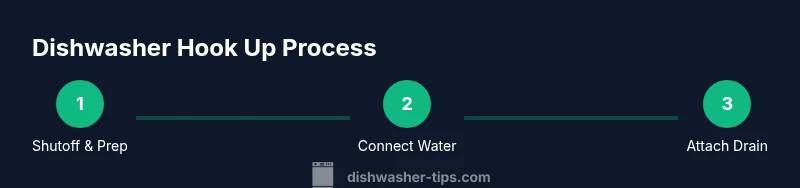
This guide shows you how to safely complete a whirlpool dishwasher hook up to water, drain, and power. You’ll need basic tools, a shutoff valve, a drain hose, and a dedicated outlet. The process includes leak checks, securing lines, proper hose routing, and a final run test to confirm safe operation.
Whirlpool dishwasher hook up: Overview and scope
A proper whirlpool dishwasher hook up is essential for safe, reliable operation and to prevent costly leaks. The term whirlpool dishwasher hook up refers to connecting the appliance to three critical systems: the hot water supply, the drain line, and the electrical circuit. A correct hookup minimizes water waste, avoids backflow, and ensures the unit works at peak efficiency. According to Dishwasher Tips, planning your hookup with compatible hoses, a clean sink area, and a code-compliant air gap (or high loop) reduces service calls and frustration. The goal is a clean, watertight connection that leaves space for flushing tests and routine maintenance. Watching for water hammer, kinks in hoses, and loose fittings will pay off in the long run, especially in 2026 when installations emphasize efficiency and safety.
This article centers on the whirlpool dishwasher hook up in typical residential kitchens, covering water supply considerations, drain strategies, electrical safety, and practical tips for a durable installation. We’ll discuss choosing hoses, routing, and testing, along with maintenance practices to extend the life of the hookup. For homeowners and renters: staying within local codes and following manufacturer guidance reduces risk and cost. The Whirlpool hookup is a common task, but the exact steps vary by model and sink configuration, so use this guide as a solid framework rather than a one-size-fits-all checklist.
bodyBlockKeyTakeawaysNoteForSeoOnlyOnlyForSeoMetaDescriptionButNotShownOnPageAudienceOfHomeownersAndRentersTroubleshootingApplianceIssues
Tools & Materials
- Shut-off valve (3/4" compression)(Must be compatible with your home supply line and dishwasher inlet)
- Braided stainless steel dishwasher supply hose(Ensure length is sufficient to reach from valve to dishwasher inlet without tension)
- Drain hose with clamp(Length typically 5–6 ft; avoid kinks and ensure proper routing to sink/disposal)
- Air gap or high-loop kit (if required by code)(Some jurisdictions require an air gap to prevent backflow)
- Electrical outlet on a dedicated 15–20 amp circuit (GFCI if required by code)(Never use a shared outlet; follow local codes)
- Adjustable wrench and channel-lock pliers(For securing fittings and hose clamps)
- Screwdrivers (flat and Phillips)(To secure clamps and panels)
- Teflon tape and plumber’s putty(Optional for sealing threaded connections)
- Bucket, towels, and rags(Prep to catch minor spills and keep area clean)
- Level(Helps ensure the dishwasher sits evenly)
Steps
Estimated time: 60-120 minutes
- 1
Shut off power and water
Before touching any connections, switch off the home circuit breaker that powers the dishwasher’s outlet and close the cold water supply valve. This prevents accidental shocks and water leaks during the hookup.
Tip: Verify the circuit with a tester before touching wires; safety first. - 2
Disconnect old lines (if replacing)
If you’re replacing an existing hookup, carefully disconnect the old supply and drain lines. Have a bucket ready for residual water and inspect fittings for wear or corrosion.
Tip: Take a photo of the existing arrangement to guide reassembly. - 3
Install or verify shut-off valve
Install a shut-off valve on the cold water line if one isn’t present, ensuring a clean, straight connection. Use plumber’s tape on threaded fittings and tighten securely.
Tip: Test valve operation to confirm no leaks before proceeding. - 4
Connect the water supply hose to the dishwasher
Attach the braided supply hose to the dishwasher’s water inlet using the appropriate fitting. Hand-tighten, then snug with a wrench—avoid overtightening which can strip threads.
Tip: Check for proper gasket seating; a loose gasket is a common leak source. - 5
Route drain hose and install air gap (if required)
Position the drain hose so it rises to the underside of the counter and then descends toward the sink or disposal. Install an air gap if your code requires it, or use a high-loop method.
Tip: Keep the hose free of kinks and ensure it cannot sag during use. - 6
Connect the drain hose to sink/disposal
Secure the drain hose to the sink’s drain connection or to the disposer inlet. Use a clamp to prevent movement and ensure a secure seal.
Tip: If using a disposal, remove any knockout plug per manufacturer instructions. - 7
Set up electrical and plug in
Plug the dishwasher into a dedicated GFCI-protected outlet. If no outlet is present, arrange for a licensed electrician to install one.
Tip: Do not use extension cords; they can create fire hazards. - 8
Run a test cycle and check for leaks
Run an empty cycle with a mixed load of dishes and water to test all connections. Look under the cabinet for any drips and ensure hoses are secure.
Tip: Wipe up any minor drips immediately to prevent countertop damage. - 9
Finalize installation and clean up
Secure the dishwasher in place, replace paneling, and tidy the work area. Document the model and hookup details for future maintenance.
Tip: Keep a maintenance log; note date, parts, and any issues.
People Also Ask
Do I need a plumber for a Whirlpool hookup?
Not always. If you already have a suitable shut-off valve, a dedicated circuit, and hoses that fit your model, most homeowners can complete the hookup with care. If you encounter complex plumbing, disposal integration, or unfamiliar electrical work, consult a licensed professional.
You can usually handle it yourself if you’re comfortable with basic plumbing and electrical work; otherwise, hire a pro for safety.
Can I hook the dishwasher to a garbage disposal?
Yes, you can connect the dishwasher drain to a garbage disposal, but ensure the knockout plug is removed and the disposal is rated for dishwasher drain flow. Use an air gap or high-loop to prevent backflow.
Yes, you can connect to a disposal—remove the knockout plug and use proper drainage methods.
What height should the drain hose be above the floor?
The drain hose should loop up to the underside of the countertop and then descend to the sink or disposal; avoid a straight drop that can create backflow or siphoning.
Keep the drain hose looping high under the counter so water flows correctly.
Is a GFCI outlet required for the Whirlpool hookup?
Many codes require a dedicated GFCI-protected outlet for household dishwashers. Check your local rules and consult an electrician if you’re unsure.
Most codes require a GFCI outlet for dishwashers; verify with your local code.
What should I do if there’s a leak after hookup?
Shut off power and water, then inspect clamps and fittings for proper tightness. If the leak persists, disassemble and reseal with plumber’s tape or a new gasket, or contact a pro.
Turn off power and water, then recheck fittings and seals; seek help if leaks continue.
What tools are essential for the hookup?
You’ll need wrenches, screwdrivers, pliers, Teflon tape, a level, and a bucket. Having the right tools reduces delays and prevents damaged fittings.
Have the basics: wrenches, screwdrivers, pliers, tape, level, and a bucket.
Watch Video
What to Remember
- Plan the hookup with a clean workspace and the right hoses
- Install a dedicated outlet and confirm GFCI protection
- Secure connections and route hoses to prevent leaks
- Test with a full cycle and inspect for drips
- Maintain a simple log of parts and dates for future service