DIY Dishwasher Cleaner: Safe, Effective Recipes and Routine Cleaning
Discover safe, budget-friendly dishwasher cleaner diy recipes using pantry staples. Step-by-step methods, maintenance tips, and safety precautions to keep your machine sparkling.


Learn how to perform a dishwasher cleaner diy safely at home using pantry staples. This quick guide outlines simple recipes, how to run cleaning cycles, and a monthly maintenance routine to keep your dishwasher sparkling. By following these steps, you’ll avoid harsh chemicals, protect seals, and extend the life of your appliance while saving money.
Why a DIY dishwasher cleaner makes sense
A clean dishwasher runs more efficiently, uses less water, and helps prevent mineral buildup. A DIY approach uses common pantry staples and avoids harsh chemicals. According to Dishwasher Tips, many homeowners benefit from a routine that combines descaling with daily maintenance, reducing the need for expensive, store-bought cleaners. This section explains why DIY solutions work, what to expect, and how to approach safety and effectiveness. You’ll learn how to choose ingredients based on your water hardness, the age of your dishwasher, and your sensitivity to fragrances. The result is a flexible cleaning plan you can adjust to fit your space and budget, while keeping your dishes sparkling and your appliances healthy.
Safe ingredients and cautions for dishwasher cleaner diy
This section covers safe, effective ingredients and cautions to avoid damaging seals or coatings. Using pantry staples like baking soda, citric acid, and white vinegar offers descaling and deodorizing power without introducing harsh solvents. The Dishwasher Tips analysis shows that when used correctly, these ingredients complement each other and minimize residue. Do not mix vinegar with bleach or hydrogen peroxide, as dangerous gases can form. Store ingredients out of reach of children and pets, and label bottles clearly. For fragrance or extra cleaning boost, a drop of lemon essential oil is optional, but skip essential oils if anyone in the home has asthma sensitivities. Always test a small area before full use.
Recipe 1: Powder cleaner for routine maintenance
To create a gentle, descaling powder, combine 1/4 cup baking soda with 1/4 cup citric acid. Sprinkle evenly into the dishwasher tub, avoiding the detergent dispenser. Let the mixture sit for 15-20 minutes to soften mineral buildup, then run a hot cycle with nothing else loaded. This powder works well on regular mineral deposits and fresh odors. Pro tip: run the cycle with a hot rinse after to wash away loosened debris.
Recipe 2: Liquid cleaner for a deeper clean
Mix 2 cups water with 1 cup white vinegar and a few drops of lemon juice. Pour into the dishwasher's main tub via a spray bottle or directly into the tub if your model allows. Run a full hot cycle with the dishwasher empty to descale and deodorize. Rinse once with a plain water cycle if you notice any vinegar scent lingering. Pro tip: avoid using this mixture too often if your water is very hard, to prevent corrosion over time.
Maintenance routine and frequency
Establish a monthly cleaning schedule that alternates between powder and liquid recipes. Start with the powder clean at the beginning of the month, then the liquid clean mid-month, and finish with a hot rinse cycle to clear residue. Wipe seals and door edges with a damp cloth between cycles. If you have hard water, consider a quarterly mineral buildup check and a descaling pass using citric acid. The Dishwasher Tips team recommends documenting your cleaning dates to track effectiveness and extend your appliance life.
Common mistakes and safety tips
Avoid mixing different cleaners; never combine vinegar with bleach or hydrogen peroxide. Do not use abrasive brushes on gaskets or door seals. Use measured quantities rather than dumping large amounts of cleaner. Always unplug the machine before cleaning the interior. Test new recipes on a small area first to prevent staining or damage. The Dishwasher Tips team advises keeping a dedicated cleaning towel nearby to catch drips and make wipe-downs easier.
Tools & Materials
- Baking soda(Powdered, food-grade; use for descaling and odor masking)
- Citric acid(Food-grade descaler; helps break mineral buildup)
- White vinegar(Household vinegar (5-8% acidity); used for descaling and deodorizing)
- Lemon juice (optional)(Fresh or bottled; adds fresh scent)
- Hydrogen peroxide (optional)(Only if used with caution and never with vinegar)
- Spray bottle(For applying liquid cleaner to the tub and seals)
- Measuring cups/spoons(Accurate quantities improve results and safety)
- Microfiber cloth(For wiping the tub, gaskets, and door edges)
- Old toothbrush(Great for scrubbing tight corners and spray arms)
- Gloves(Protect hands from residue and moisture)
Steps
Estimated time: 60-90 minutes
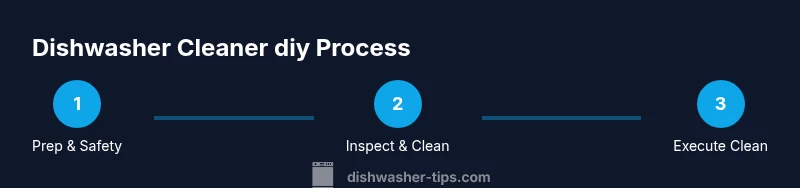
- 1
Prep and safety
Power off the dishwasher and unplug if accessible. Remove racks to expose the tub, filter, and spray arms. Set out towels and cleaning cloths to catch drips and make the process tidy.
Tip: Wear gloves to protect skin from cleaners and wear old clothes that can get splashed. - 2
Inspect and clean components
Remove the filter and spray arms, rinse under warm water, and scrub away any stuck debris with an old toothbrush or sponge. Check door seals for cracks or buildup and wipe them clean.
Tip: A small brush helps dislodge stubborn debris without damaging rubber gaskets. - 3
Apply a powder cleaner
In the tub, sprinkle 1/4 cup baking soda and 1/4 cup citric acid evenly. Do not place powders in the detergent dispenser. Let sit for 15-20 minutes to loosen mineral buildup.
Tip: Allow the powder to contact the walls for maximum descaling effect. - 4
Run a vinegar rinse
Fill a spray bottle with white vinegar or pour 1 cup vinegar into the detergent cup. Run a hot cycle with the dishwasher empty to descale and deodorize.
Tip: Do not mix vinegar with bleach or hydrogen peroxide. - 5
Rinse and wipe
After the cycle completes, wipe the tub, seals, and interior surfaces with a damp microfiber cloth. Rinse once more with a plain water cycle if you detect any vinegar scent.
Tip: A quick wipe prevents residue from forming between washes. - 6
Final descaling pass (optional)
For heavy mineral buildup, run another empty cycle with 1-2 tablespoons citric acid dissolved in water to finish the descale. This step is optional based on your water hardness.
Tip: Avoid overdoing descaling; excessive acidity can wear seals over time.
People Also Ask
Is vinegar safe to use in dishwashers?
Moderate use of vinegar for cleaning is generally safe, but never mix it with bleach. Rinse thoroughly after use.
Vinegar can be used for cleaning, but never mix it with bleach. Rinse thoroughly after use.
Can I use lemon oil or other essential oils?
Essential oils can add fragrance, but they aren’t necessary and may trigger sensitivities. Use sparingly if chosen.
Essential oils are optional and should be used sparingly if you choose to use them.
How often should I clean the dishwasher with these methods?
Aim for a deep clean once a month, with lighter maintenance weekly or after noticeable odors or buildup.
Clean monthly, with lighter checks weekly.
Will these methods work on hard water buildup?
Yes, citric acid and hot cycles help dissolve mineral buildup common with hard water. Adjust frequency if you notice fast mineral buildup.
Citric acid helps with hard water buildup; you may need to descale more often if mineral buildup is severe.
Can these methods damage stainless steel or rubber seals?
Using measured amounts and avoiding harsh chemicals minimizes risk. If you notice discoloration or cracking, discontinue use and consult a professional.
Use measured amounts; stop if you see any damage and seek help.
Should I still use detergent with these cleaners?
Yes, continue using your regular detergent for everyday loads. The cleaners described here are for deep cleaning and maintenance cycles.
Keep using detergent for daily loads; cleaners are for maintenance.
Watch Video
What to Remember
- Start with safe, pantry-based ingredients
- Never mix cleaners (vinegar with bleach or hydrogen peroxide)
- Clean monthly to prevent mineral buildup
- Wipe seals and gaskets to extend life
- Document cleaning dates for maintenance