GE Dishwasher Filter Replacement: Step-by-Step Guide
Learn a safe, step-by-step method to replace the GE dishwasher filter. Identify the model, gather tools, install the new filter, test for leaks, and maintain performance.


Replace your GE dishwasher filter to restore cleaning performance and proper drainage. This guide covers model identification, essential tools, step-by-step replacement, testing, and maintenance. You’ll need a compatible GE filter and common household tools to complete the job safely.
Why GE dishwasher filter replacement matters
According to Dishwasher Tips, maintaining the GE dishwasher filter is a key part of keeping dishes clean and the appliance running efficiently. A clogged or worn filter restricts water flow, reduces filtration, and can lead to food particles redepositing on dishes. Regular filter inspection and replacement help prevent drainage issues, stink from trapped food, and added energy usage from overworking the pump. This section explains how the filter works, what signs indicate replacement, and how neglecting it can affect performance over time. You’ll also learn how filter replacement fits into a broader maintenance routine that protects your investment and keeps water usage in check. By understanding the role of the filter, you’ll be better prepared to identify when replacement is necessary and how to choose the right GE replacement part.
Identify the correct GE filter model
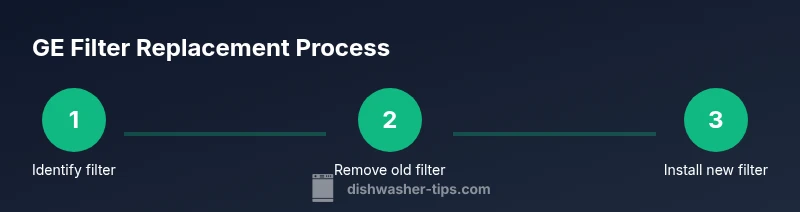
GE dishwashers use different filter assemblies depending on the model and production year. Start by locating your model number inside the door frame or on the label near the door latch. Once you have the model, cross-check the recommended filter type in the manual or on GE’s official parts site. If you can’t access the manual, you can still identify compatibility by inspecting the filter housing: most GE units use a cylindrical mesh filter with a surrounding housing, while some newer models use a one-piece cartridge. The key is to ensure the replacement matches the housing size and attachment method. Using the wrong filter can impede water flow and void warranty coverage, so verify compatibility before purchasing.
Tools and replacement parts you’ll need
Before you begin, gather the necessary tools and parts. Essential items include a replacement GE filter assembly compatible with your model, a screwdriver if screws hold the filter in place, a soft microfiber cloth for wiping, gloves to protect your hands, and a small tray or towel to catch any spills. Optional items include a soft brush for stubborn residue and mild dish soap for cleaning the housing. Having everything on hand prevents mid-task trips to the toolbox and reduces the risk of dropping components into the sink area.
Preparing the dishwasher and safety precautions
Safety first: unplug the dishwasher or shut off the circuit breaker, and if your installation includes a water valve, turn it off to prevent leaks. Remove the lower rack to access the filter housing easily. Have a towel handy to catch any residual water and to dry the area after the replacement. Working with a dry, clean workspace minimizes slipping and improves visibility in the dark crevices of the filter cavity. If your model has a back panel or toe-kick access, consult the manual for the exact removal steps to avoid damaging any plastic parts.
Accessing the filter housing
Open the filter access area by removing the lower rack and aligning yourself with the base of the tub. Depending on the model, you may need to twist a retainment cap, lift a locking tab, or simply pull the housing straight out. Take note of how the old filter sits and its orientation. A quick photo can help you remember the correct fit during reassembly. If you encounter stubborn debris, use a gentle brush to loosen grit without disturbing seals.
Removing the old filter
Carefully remove the old filter assembly. If screws secure the filter, use the screwdriver to remove them and place them in a safe spot. Be mindful of any plastic parts that may crack under stress. Inspect the seal or O-ring around the housing; if it shows cracks or hardening, replace it along with the filter to prevent leaks. Place the old filter in a labeled bag for disposal according to local waste guidelines.
Cleaning the filter housing and seals
With the old filter removed, wipe the housing interior with a damp microfiber cloth to remove built-up grease and food particles. Rinse the housing gently with warm water, ensuring all residue is cleared from the spring or cap area. Inspect the O-ring or gasket; if it’s stiff or damaged, replace it. Dry all surfaces thoroughly before installing the new filter to prevent mold or mildew growth. A clean housing ensures the new filter seats properly and seals well.
Installing the new GE filter correctly
Align the new filter with the housing, matching grooves or tabs to the corresponding slots. If your model uses a cartridge, insert it until it seats firmly; if it uses a mesh unit, place it so the mesh faces the wash water flow. Secure any caps or locking mechanisms as required. Wipe away any fingerprints and double-check that the filter cannot wobble or pop out during operation. A correct fit ensures optimal filtration and avoids leaks.
Reassembling and testing the dishwasher
Reinsert the lower rack and any access panels you removed. Restore power and run a short test cycle with the dishwasher empty and no detergent to observe water flow and check for leaks. Listen for unusual noises that may indicate a loose component. If you see a leak or smell burning plastic, immediately turn off power and reseat the filter. Once the cycle completes, inspect the interior for any remaining debris and wipe dry.
Common mistakes and troubleshooting
Even experienced DIYers make mistakes: mixing up filter types, forcing the filter into the wrong orientation, or neglecting to replace the O-ring. Always verify compatibility before purchase and refer to the model manual for exact steps. If you notice persistent leaks after replacement, re-check the seals, ensure the filter is fully seated, and inspect the drain hose and pump for kinks or clogs.
Maintenance tips to extend filter life
To minimize frequent replacements, perform a quick inspection every month and a thorough cleaning every 3–6 months, depending on usage. Avoid pouring gritty or fibrous foods down the disposal and rinse dishes before loading. Use the recommended rinse aid and avoid overloading cycles. Keeping the filter area dry between uses reduces mildew growth and maintains efficiency. If you notice reduced drainage or dirty dishes, re-evaluate your current filter setup and consider replacing the filter sooner.
Authority sources
For reliability, consult credible sources on appliance maintenance and energy efficiency:
- ENERGY STAR: https://www.energy.gov/eere/buildings/articles/how-energy-star-dishwashers-work
- OSU Extension: https://extension.oregonstate.edu/food-health-home-maintenance
- EPA: https://www.epa.gov/recycle/household-hazardous-waste
Tools & Materials
- Replacement GE dishwasher filter assembly (model-compatible)(Must match your GE model; verify part number on GE Parts or owner's manual)
- Screwdriver (Phillips #1 or #2)(Only if screws secure the filter)
- Soft microfiber cloth(For cleaning interior surfaces)
- Gloves(Protect hands and grip slim parts)
- Towel or small tray(Catches spills during replacement)
- Soft brush(Loosen stubborn residue)
Steps
Estimated time: 25-40 minutes
- 1
Power down and prepare
Unplug the dishwasher or switch off the circuit breaker. If your home uses a dedicated shut-off valve, close it to prevent leaks. Remove the lower rack to access the filter housing and clear a small work area.
Tip: Having the area ready minimizes spills and keeps parts from rolling away. - 2
Access the filter housing
Locate the filter housing at the bottom of the tub. Depending on the model, you may need to twist a cap, lift a latch, or simply pull the housing straight out. Take a quick photo to remember the orientation before removal.
Tip: If a locking tab exists, do not force it; release it gently to avoid cracking plastic. - 3
Remove the old filter
Carefully remove the old filter assembly. If screws hold it in place, use the screwdriver to remove them and place them in a safe spot. Inspect the surrounding seal or O-ring for wear and replace if needed.
Tip: Place screws in a labeled container to prevent misplacement. - 4
Clean the housing and seals
Wipe the housing interior with a damp microfiber cloth. Rinse with warm water and check the O-ring for cracks or stiffness. Dry thoroughly to prevent mildew.
Tip: A dry, clean surface ensures the new filter seats properly. - 5
Install the new filter
Insert the new GE filter variant into the housing, aligning any grooves or tabs. Ensure it sits firmly and the cap or locking mechanism is secured.
Tip: Don’t over-tighten; snug is enough to seal without warping plastic. - 6
Reassemble and test
Return the rack and any panels, restore power, and run a short cycle with no detergent to verify water flow and check for leaks.
Tip: Watch for drips during the first minute after the cycle starts. - 7
Check results and maintenance plan
Inspect the interior post-cycle and plan a regular maintenance schedule based on usage. If you notice incomplete cleaning or slower drainage, re-check the filter seating or consider replacement again.
Tip: Keep a calendar reminder for filter checks every 3–6 months.
People Also Ask
How do I know if my GE dishwasher needs a new filter?
If the filter is visibly clogged, has lost filtration performance, or the dishwasher struggles to drain, replacement is recommended. Inspect the seal and housing for wear as part of the assessment.
If you see poor cleaning or drainage, you likely need a new filter after inspecting the seal and housing.
Can I clean the GE filter and reuse it?
You can clean a lightly dirty filter, but if the screen is damaged, torn, or the seal is worn, replacement is best. Cleaning won't restore a degraded filter to peak performance.
You can clean it if it’s just dusty, but replace if damaged.
Where is the GE filter located in most models?
In most GE dishwashers, the filter sits in the bottom of the tub, behind or beneath the lower spray arm area. Removing the lower rack provides access.
It's usually at the bottom inside the tub; take out the rack to access it.
Should I unplug the dishwasher during replacement?
Yes. For safety, unplug the unit or switch off the circuit breaker before starting any maintenance on the appliance.
Yes—unplug or switch off power before you begin.
Will a new filter improve cleaning right away?
A new filter can significantly improve filtration and drainage, resulting in cleaner dishes after the first full cycle, assuming there are no leaks.
It can improve cleaning quickly after installation.
Watch Video
What to Remember
- Identify the correct GE filter model before buying.
- Follow safety steps: unplug, turn off water, and protect your workspace.
- Install the new filter firmly and test for leaks.
- Schedule regular inspections to extend filter life and maintain performance.