GE Dishwasher Drain Pump Replacement: Step-by-Step Guide
Learn how to perform ge dishwasher drain pump replacement safely with our detailed, model-aware guide. From diagnosing pump failure to testing the drain, this instructional article covers tools, steps, safety warnings, and maintenance tips for homeowners and renters.


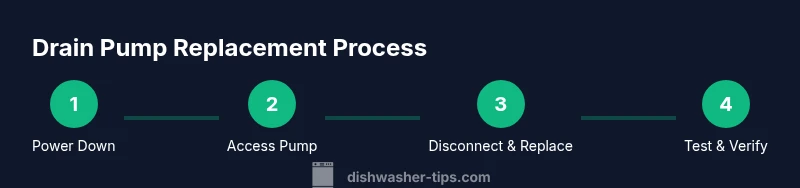
Ge dishwasher drain pump replacement can be completed safely by a homeowner with basic tools. You'll disconnect power, access the drain pump, swap in a compatible GE pump, reconnect hoses and wiring, and run a test cycle to confirm proper draining. This guide provides a 9-step procedure, safety tips, and model-specific notes for ge dishwasher drain pump replacement.
How the GE drain pump fits in and how it works
GE dishwashers use a drain pump to expel wastewater during the wash and rinse cycles. The pump is connected to a sump and driven by an electric motor. When the control board detects the need to drain, it energizes the pump, pushing used water through the pump impeller and out the drain hose. In many GE models, the pump is accessible behind the lower kick panel, making replacement feasible for a handy homeowner. A failed drain pump can cause the dishwasher to fill and rewash but never fully drain, trigger error codes, or leak water around the base. Common failure modes include a burnt smell, a humming sound with no water movement, or a blown fuse from motor stall. If you hear buzzing or grinding when the pump runs, it's a sign you may need a replacement rather than cleaning or re-seating hoses. When you order ge dishwasher drain pump replacement parts, verify compatibility with your exact model and serial number, since GE uses several pump configurations across lines. Maintaining clean drain filters and checking for debris can extend pump life and prevent premature failure.
Diagnosing a faulty drain pump
Symptoms of a failing drain pump are usually straightforward: dishes not draining, water remaining in the tub after a cycle, frequent drainage errors, or the unit taking longer to reach the drain phase. Start with a quick visual check for clogged filters and kinks in the drain hose. Listen for a buzzing or humming noise when the pump should run; this often means the impeller is stuck or the motor is near failure. If you have access to a multimeter, test the pump motor coil for continuity according to GE service manuals. Another clue is water leakage at the pump area, which can indicate a cracked housing or loose connections. Before replacing, clean the area and reseat quick-connects; if symptoms persist, a ge dishwasher drain pump replacement is likely due. Always confirm the exact pump part number on your model plate to ensure compatibility.
Tools, safety and parts for ge dishwasher drain pump replacement
Before you start, assemble a basic toolkit and the replacement part. Essential tools include a Phillips and flat-head screwdriver, a nut driver or pliers, a Torx driver if your model uses Torx screws, a small flashlight, and a multimeter (optional for electrical checks). You will also need towels or a shallow tray to catch water, a bucket for drips, and safety gloves and goggles. The replacement part should be a GE drain pump compatible with your model; check the label and GE's parts lookup to confirm. Optional items like dielectric grease for electrical connections can help prevent corrosion. Keeping a labeled tray for screws and clips will speed reassembly and reduce misplacement. Finally, review your appliance's service manual or GE's online resources for any model-specific warnings before you begin ge dishwasher drain pump replacement.
Replacement preparation and planning
Plan your replacement to minimize downtime and water exposure. Unplug the dishwasher at the outlet, then switch off the dedicated circuit breaker to eliminate any residual power. Move the machine forward and remove the lower kick panel to access the pump housing. Take pictures as you go to document hose orientation and screw placement; this will help during reassembly. Inspect all hoses for wear and replace any cracked segments or leaky connections. Drain any standing water from the sump so you don't spill during disassembly. Finally, verify you have the correct replacement pump by rechecking model number and compatibility with the GE parts catalog.
Replacement procedure overview (context, not a substitute for the step-by-step)
With power safely disconnected, you will remove the old pump and install the new one in the same orientation as the original. Disconnect electrical connectors, unclip hoses, and remove mounting screws. Transfer clamps and any adapters from the old pump to the new one if required, then secure the new pump with its screws. Reattach hoses, reconnect the electrical plug, and double-check the route of hoses to avoid kinks. Reinstall the lower panel, restore power, and run a short test cycle with no dishes to verify drainage and inspect for leaks. If the test passes, you can run a full load cycle to confirm normal operation. If any leaks or draining issues persist, recheck connections and seals.
Post-replacement testing and maintenance
After replacement, run an empty cycle to confirm the unit drains completely and does not leak from the pump housing. Check the drain hose for proper routing and absence of kinks; too-tight bends can hinder drainage. Inspect clamps and hose connections again after a few cycles to ensure nothing works loose. Clean the sump and around the pump area to remove debris that can affect longevity. Consider replacing the pump filter and performing periodic line checks every 6–12 months to minimize future failures. Regularly run a maintenance cycle per your GE owner manual to keep the drain system clear.
Common pitfalls and troubleshooting after replacement
Avoid common mistakes that can require rework. Do not force hoses or clamps; if a connection resists, stop and verify alignment rather than cranking. Never run the unit if you notice water pooling around the base or if the pump housing is cracked. If the new pump fails to drain, re-confirm the electrical connection and verify the part is compatible with your model. If symptoms persist, the issue may lie with the drain hose, air gap, or control board rather than the pump itself. When in doubt, consult a professional technician or contact GE support for guidance on ge dishwasher drain pump replacement.
Authoritative references
- Energy.gov: appliance efficiency and maintenance resources for dishwashers and household appliances. https://www.energy.gov
- OSHA.gov: general safety guidelines for electrical work and home repairs. https://www.osha.gov
- ConsumerReports.org: appliance repair and reliability insights and consumer guidance. https://www.consumerreports.org
Tools & Materials
- Replacement GE dishwasher drain pump assembly(Model-specific; verify part number with model/serial plate)
- Screwdriver set (Phillips and flathead)(Flathead for panel screws; Phillips for internal fasteners)
- Nut driver or pliers(For hose clamps and mounting hardware)
- Torx driver (if applicable)(Some GE models use Torx screws)
- Bucket and towels(Contain and absorb spills)
- Safety gloves and eye protection(Protect hands and eyes from sharp edges)
- Multimeter (optional)(Check electrical continuity if needed)
- Marker or tape for labeling hoses(Keep track of hose orientation)
Steps
Estimated time: 60-90 minutes
- 1
Power down and prep
Unplug the dishwasher at the outlet and switch off the circuit breaker dedicated to the appliance. Clear the area and gather tools and a containment tray. This prevents shock and spills during the replacement.
Tip: Label tools and keep screws in a magnetized tray. - 2
Access the pump
Move the DW out slightly and remove the lower kick panel to access the drain pump housing. Use a flashlight to inspect for any debris around the pump area. The panel removal exposes the pump mounting and hose connections.
Tip: Take a photo before disconnecting anything to aid reassembly. - 3
Disconnect electrical connector
Carefully unplug the electrical connector from the pump. If connectors are tight, gently release any locking tab with a small screwdriver. Avoid pulling on wires directly.
Tip: Work with one hand supporting the harness to prevent strain. - 4
Detach drain hoses
Loosen hose clamps and carefully detach the drain hose from the pump. Have a bucket ready for residual water and place rags to soak up spills. Note the orientation of hoses for reattachment.
Tip: Keep clamps with their hose to preserve original routing. - 5
Remove pump mounting screws
Remove the screws securing the pump to the pump housing. Set screws aside in a labeled tray. Gently lift the pump away from its mounting.
Tip: Do not drop small screws into the sump area. - 6
Install new pump
Position the new GE drain pump in the same orientation as the old one and secure with mounting screws. Attach hoses to the same ports using the original clamps where possible.
Tip: Inspect gasket or seals; replace if damaged before seating the new pump. - 7
Reconnect wiring and hoses
Reconnect the electrical connector and reattach the drain hoses, ensuring a snug fit and no kinks. Double-check that hose ends sit fully on the barb fittings. Reinstall ANY adapters if your model requires them.
Tip: Avoid overtightening clamps to prevent hose damage. - 8
Reassemble and restore power
Reinstall the lower panel and push the dishwasher back into position. Restore power at the outlet and re-energize the circuit breaker. Prepare to run a test cycle.
Tip: Keep a towel ready if you see any drips during the first test. - 9
Test and verify
Run an empty or quick test cycle to verify drainage and look for leaks around the pump. If leaking occurs, recheck hose connections and clamps. Only run a full cycle once you confirm there are no leaks.
Tip: If the unit does not drain, recheck the electrical and hose routing for proper seating.
People Also Ask
Is it safe to perform ge dishwasher drain pump replacement myself?
Yes, with proper precautions: unplug the machine, switch off the breaker, and follow model-specific instructions. Use correct replacement parts and wear protective gear.
Yes, you can DIY, but always unplug first and follow the model's instructions.
Do I need GE-specific pumps for replacement?
Most GE dishwashers use model-specific pumps. Verify part number on the model plate and cross-check with GE's parts catalog before buying.
Yes—check the model number to ensure the pump matches your unit.
What if the dishwasher still not drains after replacement?
If drainage remains an issue, inspect the drain hose routing, check for clogs in filters, and verify the control board isn’t signaling an error.
If it still won't drain, look for hose kinks and control-board issues.
Can I reuse old hoses after replacement?
Only if hoses are in good condition with no cracks. Replace worn hoses to prevent leaks.
Avoid reusing cracked hoses; replace them if needed.
How long should a pump last?
Pump life varies by usage; most replacements are intended to last several years with proper maintenance.
A pump usually lasts many years with good maintenance.
What safety precautions are essential?
Unplug the unit, switch off the breaker, wear gloves and eye protection, and handle connectors carefully.
Unplug first, then wear protection and handle parts gently.
Watch Video
What to Remember
- Plan and prep before starting work.
- Model-specific parts ensure compatibility.
- Check hoses and clamps for wear during replacement.
- Test drainage thoroughly before concluding.
- Consult GE support if symptoms persist.