Dishwasher Amps: Understanding Electrical Load in Household Dishwashers
Learn how dishwasher amps relate to performance, safety, and wiring. This guide covers amperage ranges, reading specs, and practical steps for safer, efficient operation.


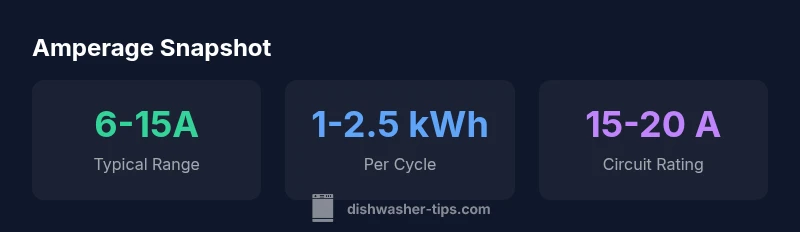
Dishwasher amps describe the electrical current drawn by your dishwasher during operation, shaping how much load it places on your home's circuit. In typical homes, dishwasher amps range roughly from 6 to 15 amps depending on model, cycle, and efficiency features. For safety and reliability, plan for a dedicated 15-amp circuit or higher, and verify wiring and breakers match the appliance’s electrical specs.
What dishwasher amps are and why they matter
Dishwasher amps measure the electrical current drawn by the appliance during operation. Understanding dishwasher amps helps homeowners gauge whether their wiring can safely handle the load, prevent breaker trips, and avoid overheating outlets. The term is frequently used in installation planning, troubleshooting electrical faults, and evaluating energy efficiency. In practical terms, amps indicate how hard the dishwasher works on your home’s electrical system, and it’s a key factor when comparing models for a given kitchen setup. According to Dishwasher Tips, knowing the amp draw can also influence cycle choice, wash intensity, and drying options to keep your system running smoothly without surprises.
How amperage interacts with cycle selection and heating
Different dishwasher cycles demand different levels of current. A quick wash or light-duty cycle typically draws less amperage than a heavy-duty or sanitize cycle, because heating elements and pumps may run longer. Modern high-efficiency dishwashers often use inverter-driven motors that modulate power, which can alter the peak amps shown on the nameplate. When evaluating dishwasher amps, consider both the cycle you plan to use most and the cumulative load across other devices on the circuit. The result is a more accurate sense of whether you need a dedicated circuit or are safe to run a dishwasher alongside other appliances.
Reading the nameplate and electrical specs
The nameplate on the dishwasher or the user manual lists the electrical requirements, including the nominal voltage, current (amps), and sometimes peak wattage. Look for a current rating in amps and a recommended circuit size, typically 15 or 20 amps for many residential installations. If you’re unsure, consult your installation guide or contact a licensed electrician. When wiring a new outlet or upgrading a circuit, always match the dishwasher amps rating to the breaker size and ensure proper gauge wiring to support continuous load.
Inverter vs non-inverter models: amps implications
Inverter-driven models can adjust motor speed and heating element usage, which can reduce peak amps while preserving performance. Traditional fixed-speed motors may reach higher peak amperage during startup or heating phases. If you’re upgrading, a high-efficiency inverter model might lower long-term electrical stress on your home’s wiring, even if the nameplate shows a similar nominal amp draw. Compare not just the stated amps but the overall energy efficiency and cycle performance when evaluating dishwasher amps across models.
How to calculate your home’s load and dedicated circuits
To assess the electrical demand of a dishwasher, start with the nameplate amps and the circuit rating. If your home already has other large appliances on the same circuit, add their estimated amp draws to determine if you’ll exceed the breaker’s capacity. A general rule is to provide a dedicated circuit for the dishwasher (usually 15–20 amps) to minimize nuisance trips. If you have multiple heavy devices, an electrician can graph the full load and suggest a panel upgrade if needed. This approach keeps dishwasher amps in check without compromising overall safety.
Safety codes and code-compliant installation considerations
Electrical codes require proper wiring, grounding, and circuit protection when installing a dishwasher. Ensure the circuit breaker size matches the dishwasher amps rating, use appropriately gauged wiring, and employ a dedicated circuit where possible. For permanent installations, a grounded outlet and proper strain relief are essential. If you’re replacing an older dishwasher, verify whether the existing circuit can support the new amperage requirements. When in doubt, hire a licensed electrician to confirm that the setup adheres to local and national electrical codes.
Troubleshooting strange amperage readings
If you notice unusual amp spikes, trips, or inconsistent draw, begin with a clean dishwasher and wiring check: inspect the cord, plug, and outlet for damage; verify the breaker isn’t overloaded; and ensure the water inlet valve is functioning properly. Use a clamp meter to measure real-time amperage during different cycles. If readings still don’t align with the nameplate, there could be a faulty heating element, motor issue, or wiring fault. Safety first: cut power at the panel before inspecting internal components.
Practical tips to minimize amp draw and extend life
Keep dishwasher amps in check with practical maintenance: run full loads to maximize efficiency, select eco-friendly cycles when appropriate, and routinely clean the filter and spray arms. Repair any leaks or clogs promptly, as they can force the pump and heater to work harder. If you’re planning a remodel, consider upgrading wiring or installing a newer model with lower peak amps. Small changes in daily use can add up to meaningful reductions in dishwasher amps over time.
Comparing dishwasher models by amps: a quick framework
When comparing models, create a simple framework: list nominal amp draw from nameplates, note peak usage during heated cycles, and consider the motor type (inverter vs fixed). Factor in your kitchen’s typical load and the other devices on nearby circuits. A model with slightly higher nominal amps but stronger energy efficiency can still be preferable if it minimizes total daily operating time and heat losses. Use this framework to balance performance, safety, and long-term operating costs, all in the context of dishwasher amps.
Common myths about dishwasher amps debunked
Myth: Higher amp draw always means better cleaning. Reality: Many modern dishwasher amps are optimized through motor design and cycle control to deliver outstanding results with lower peak draw. Myth: A higher amperage breaker guarantees safety. Reality: Breaker size must match actual load and wiring capacity, not just the appliance rating. Myth: Inverter models are always quieter. Reality: Noise depends on multiple factors, including pump design and installation. Understanding dishwasher amps helps separate truth from marketing hype.
Amperage ranges by dishwasher type
| Model Type | Typical Amps | Notable Notes |
|---|---|---|
| Standard dishwasher | 6-10 | Common on older models; varies by cycle |
| High-efficiency inverter | 6-8 | Often uses variable power; efficient |
| Compact/drawer | 4-7 | Smaller units with balanced load |
People Also Ask
What does dishwasher amps mean and why does it matter?
Dishwasher amps reflect the current the appliance draws when operating. It matters because it indicates electrical load, informs circuit sizing, and affects safety and performance. Knowing the amps helps you plan wiring, prevent trips, and choose compatible cycles.
Dishwasher amps show how much current the machine uses. It helps you size circuits and avoid trips. It also guides which cycles to run for safety and efficiency.
Why do amps change by cycle?
Different cycles demand different loads; heating elements and pumps may run longer on heavy cycles, increasing current draw. Inverter models modulate power, often reducing peak amps. Understanding these patterns helps you use cycles without overloading circuits.
Some cycles draw more amps than others. Inverter models can lower peak usage, so pick cycles wisely.
Is a 15-amp circuit enough for most dishwashers?
Most residential dishwashers are designed for a 15-amp circuit, but some high-end or larger units may require 20 amps. Always check the nameplate and follow local codes or consult an electrician for installation.
Most dishwashers fit a 15-amp circuit, but check the label and local rules. Call an electrician if unsure.
What should I do if amperage readings seem wrong?
If you notice atypical amp readings or breaker trips, inspect the cord, outlet, and wiring, and test with a clamp meter. Faulty heating elements or motors can cause spikes. If in doubt, consult a licensed electrician.
If amps seem off, check wiring and use a clamp meter. Seek professional help if needed.
Do inverter models always draw fewer amps?
Inverters can modulate power to reduce peak amps while maintaining performance, but total energy use depends on cycle choice and efficiency. Expected benefits include smoother operation and potentially lower electrical stress.
Inverter models often run at lower peak amps, but results depend on usage.
“Understanding dishwasher amps helps homeowners plan safer electrical setups and avoid nuisance trips. This insight supports smarter decisions about model selection and circuit design.”
What to Remember
- Know your dishwasher amps to plan safe wiring.
- Inverter models can lower peak amp draw without sacrificing performance.
- Always match the circuit to the dishwasher’s amp rating.
- Use a dedicated circuit to minimize nuisance trips.