Dishwasher Issue Troubleshooting: Quick Fixes & Prevention
Facing a dishwasher issue? This urgent troubleshooting guide walks you through common causes, safe checks, and practical fixes to restore drainage and efficiency quickly.


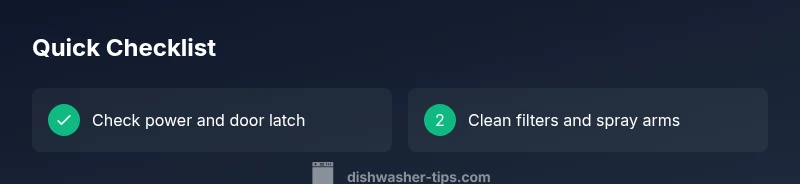
Most dishwasher issues stem from quick, testable causes. Start by confirming power and ensuring the door latch is engaged. Then inspect and clean the filter and spray arms. If the unit still won’t run or drain, consult the diagnostic flow to map symptoms to likely causes and apply the safest, most effective fixes first. This quick check helps you decide when to call a professional.
Understanding the Most Common Dishwasher Issues
When a dishwasher issue interrupts daily chores, it’s tempting to assume a complicated repair is needed. In reality, most problems fall into a few predictable categories. Recognizing these early helps you act quickly and safely.
-
Not turning on or running a cycle: The culprit is often power or a mis-seated door latch. Check the outlet, circuit breaker, and ensure the door is fully closed and latched. A loose plug or tripped breaker is a common cause that you can fix in minutes.
-
Dishes come out wet or dirty: This points to spray arms, filters, or rinse aid efficiency. Clean filters and spray arms thoroughly, and verify you’re using the correct detergent and amount. Hard water can also reduce cleaning performance; consider water-softening options or an approved descaler.
-
Not draining or leaking: Drainage issues usually relate to the pump, drain hose, or air gap. Inspect the hose for kinks, and confirm the pump is free of debris. A seepage around the door or tub often signals worn seals that need replacing.
-
Unusual noises or vibrations: A noisy cycle often comes from items rattling inside the tub, worn bearings, or a failing pump. Remove inside items, check for loose components, and run a test cycle empty to isolate the sound.
-
Drying problems: If dishes stay damp, verify the heating element and rinse aid status. Some models delay drying to save energy, so review the user manual for your exact cycle settings.
By understanding these common dishwasher issues and their typical causes, you can diagnose faster and reduce downtime. The goal is to empower you to act quickly, safely, and with confidence.
Safety First: Quick Checks You Can Do Now
Before you dive into diagnosis, take a safety-first approach. Unplug the unit and turn off the water supply if accessible. Wear gloves to avoid sharp edges inside the tub. Verify the area around the machine is dry to prevent slips and water damage. Confirm the dishwasher is level; an uneven stance can cause leaks or poor operation. Then perform a quick visual check:
- Ensure the door latch clicks and the door is fully closed.
- Inspect the power outlet or nearby circuit breaker for signs of tripping or loose connections.
- Look at filters and spray arms for obvious debris buildup.
If these basic checks don’t resolve the issue, proceed with the diagnostic-flow steps below. These checks are designed to be quick, non-destructive, and safe for homeowners.
Note: If you smell burning plastic, hear persistent crackling, or see exposed wiring, stop and call a licensed technician immediately. Safety first.
Diagnostic Flow: Symptom → diagnosis → solutions
Symptom: Dishwasher won’t start or cycle
- Causes:
- {cause: "Power issue", likelihood: "high"}
- {cause: "Door latch/interlock fault", likelihood: "medium"}
- {cause: "Control panel fault", likelihood: "low"}
- Fixes:
- {fix: "Check outlet, circuit breaker, and plug connections; reset GFCI if equipped", difficulty: "easy"}
- {fix: "Test door latch for full engagement and replace if loose or damaged", difficulty: "easy"}
- {fix: "Reset or recalibrate control board per manual, or replace if faulty", difficulty: "hard"}
Symptom: Dishwasher won’t drain
- Causes:
- {cause: "Clogged filter or pump debris", likelihood: "high"}
- {cause: "Kinked drain hose", likelihood: "medium"}
- {cause: "Faulty drain pump", likelihood: "low"}
- Fixes:
- {fix: "Clean filters and spray arms; remove debris from the sump", difficulty: "easy"}
- {fix: "Unkink or reposition drain hose; check air gap if present", difficulty: "easy"}
- {fix: "Test and replace drain pump if required", difficulty: "hard"}
Symptom: Leaking from bottom or door
- Causes:
- {cause: "Worn door seal or tub gasket", likelihood: "high"}
- {cause: "Loose hose clamps", likelihood: "medium"}
- {cause: "Overfilled or over-sudsing", likelihood: "low"}
- Fixes:
- {fix: "Replace door seal and inspect gasket integrity", difficulty: "medium"}
- {fix: "Tighten hose clamps and inspect hoses for cracks", difficulty: "easy"}
- {fix: "Follow loading guidelines to prevent overfill", difficulty: "easy"}
Symptom: Noisy operation
- Causes:
- {cause: "Loose dishes or utensils", likelihood: "medium"}
- {cause: "Worn bearings or pump", likelihood: "low"}
- Fixes:
- {fix: "Remove loose items, run empty cycle to diagnose", difficulty: "easy"}
- {fix: "Replace worn bearings or pump if confirmed", difficulty: "hard"}
This diagnostic flow helps you map observed symptoms to likely causes and choose safe, effective fixes first. It’s designed to minimize unnecessary parts replacements and prioritize basic maintenance that yields reliable results.
Step-by-Step: Detailed Fix for Most Common Causes
TIPS & WARNINGS: Safety, Best Practices, and Common Mistakes
KEY TAKEAWAYS: Summary and Prevention tips
FAQ: Common Troubleshooting Questions
Do Not Overlook: When to Call a Professional
Steps
Estimated time: 60-90 minutes
- 1
Verify power supply
Unplug the dishwasher, inspect the outlet and circuit breaker, and reset any tripped breakers. Plug the unit back in and run a quick cycle to see if power is restored.
Tip: If you have a GFCI outlet nearby, test and reset it as sometimes the fault is upstream. - 2
Check the door latch
Ensure the door latch engages fully when closed. Worn or bent latches can prevent the control from starting a cycle. If the latch feels loose, replace it following the manufacturer’s guidance.
Tip: A simple test: press gently on the door mid-span while starting a cycle to see if it trips. - 3
Inspect the control panel
Look for flashing lights or error codes. Consult the user manual to interpret codes and perform a basic reset or calibration if recommended.
Tip: Avoid rushing to replace the control board; many codes resolve with a reset. - 4
Assess water supply
Verify the valve is open and water is reaching the machine. A closed or blocked supply line will prevent operation.
Tip: If you have a split inlet hose, check for kinks near the supply valve. - 5
Clean filters and spray arms
Remove the racks, take out filters, and rinse under warm water. Use a soft brush to dislodge any stubborn debris.
Tip: Avoid using metal tools that could scratch the housing. - 6
Check for drainage path blockages
Inspect the drain hose for kinks and ensure the sink/disposal connection is clear. Remove debris from the sump and drain pump area.
Tip: Run a quick drain test with the unit empty to observe flow. - 7
Check float and pump
Ensure the float switch moves freely and isn’t stuck. A stuck float can prevent draining or starting.
Tip: Gently move the float by hand to test responsiveness. - 8
Inspect seals and gaskets
Look for cracks or wear around the door seal. Replace any worn seals to prevent leaks and ensure proper door closure.
Tip: Check both the door gasket and tub seal for consistent compression. - 9
Run a diagnostic cycle
If your model supports it, run a diagnostic or self-clean cycle to verify overall function after the above steps.
Tip: Document any error codes for reference when seeking help.
Diagnosis: Dishwasher won't start, drain, or leak
Possible Causes
- highPower issue
- mediumDoor latch/interlock fault
- mediumClogged filter or drain debris
- lowWorn door seal or tub gasket
Fixes
- easyCheck outlet, circuit breaker, and plug connections; reset GFCI if equipped
- easyTest door latch for full engagement and replace if loose or damaged
- easyClean filters and drain pump debris; reassemble securely
- mediumReplace door seal or tub gasket if worn
People Also Ask
Why won't my dishwasher start?
Common causes are power issues, a faulty door latch, or a denied control panel. Check the outlet and plug, inspect the latch, and try a reset before seeking parts.
Most often, a dishwasher won’t start due to power or door latch issues. Check the outlet, reset the breaker, and ensure the door is fully closed.
Why is there water standing in the bottom after a cycle?
This usually means a drainage problem—pump, filter, or drain hose may be blocked. Clean filters first, then inspect the hose and pump for debris.
If water stays in the bottom, it’s typically a drainage issue; clean filters and check the drain hose and pump.
What causes a dishwasher to leak during a cycle?
Leaks often come from worn door seals or loose hose connections. Inspect seals and clamps, replace worn parts, and ensure hoses are snug.
Leaks usually come from bad door seals or loose hoses—check seals and clamps and tighten when safe.
Can I fix a leaky door myself?
Yes, you can replace a worn door seal or gasket yourself if you have basic tools. Follow manufacturer instructions and unplug the unit first.
Yes, replacing a door seal yourself is possible with the right parts and safe handling.
How often should I clean dishwasher filters?
Clean filters every month or more often if you notice reduced cleaning performance or visible debris buildup.
Clean filters monthly, or sooner if dishes aren’t coming out clean.
Is a noisy dishwasher a sign of a problem?
Some noise can be normal, but persistent banging or grinding may indicate loose dishes, a failing pump, or worn bearings.
A little noise is normal; persistent noise could mean a component needs inspection or replacement.
Watch Video
What to Remember
- Start with power, door latch, and filters.
- Map symptoms to likely causes before replacing parts.
- Clean regularly to prevent recurring issues.
- Know when to call a professional for electrical or structural problems.
- Follow safety guidance to avoid injuries or water damage.