How to Make Bosch Dishwasher Drain: A Complete Troubleshooting Guide
A practical, step-by-step guide to fixing Bosch dishwasher drainage problems, from cleaning filters to inspecting the pump. Learn safe, DIY fixes with Dishwasher Tips.


This guide helps you get your Bosch dishwasher draining properly by clearing clogs, cleaning the filter and pump area, inspecting the drain hose, and confirming the pump operation. Before starting, unplug the unit, turn off the water supply, and have towels ready for spills. This approach covers safety steps, essential tools, and tested methods that work for most Bosch models and can prevent costly service calls.
Anatomy of Bosch dishwasher drainage
Bosch dishwashers route used wash water through a short path from the tub to the drain pump and out through the drain hose. Understanding this path helps you locate where clogs form and what components are most likely to fail. The main components involved are the filter assembly, the sump area, the drain pump impeller, and the drain hose. Debris like food particles, bones, and broken glass can accumulate in the filter and sump, restricting water flow. Over time, mineral buildup from hard water can also reduce pump efficiency. Knowing the flow sequence helps you troubleshoot without guessing which part is failing. For reliable results, work methodically from the interior filter to the external hose, testing water flow at each stage.
Signs your Bosch dishwasher is not draining properly
Common symptoms include standing water after a cycle, water backing up from the sink, loud humming during a drain cycle, and visible debris near the filter. While some signs point to a simple clog, others suggest a failing pump or kinked hose. Track when the issue started, what loads trigger it (heavy starches or fibrous foods), and whether it happens every cycle or intermittently. Keeping a quick checklist can help you decide if a DIY fix is feasible or if professional service is needed.
Safety prerequisites before you begin
Always unplug the dishwasher and shut off the water supply before poking inside. Wear gloves and use a flashlight to inspect dark corners. Place towels or a shallow tray to catch any water that spills during panel removal. If your model has an accessible lower panel, have a static workspace ready and do not force any screws or panels. Do not attempt electrical tests unless you are confident in risk-free handling of appliance wiring; otherwise contact a pro.
Common causes and quick fixes you can try
A clogged filter or sump screen is the most frequent culprit. Clean the filter under running water, remove any debris from the sump area, and reassemble carefully. Check the drain hose for kinks, blockages, or air gaps that prevent proper drainage to the sink. If you have a garbage disposal connection, ensure the knockout plug is removed. Clogs can also form where the hose connects to the disposal or air gap. After clearing obvious blockages, run a short test cycle to observe drainage behavior.
Step-by-step approach to clear clogs in the drain path
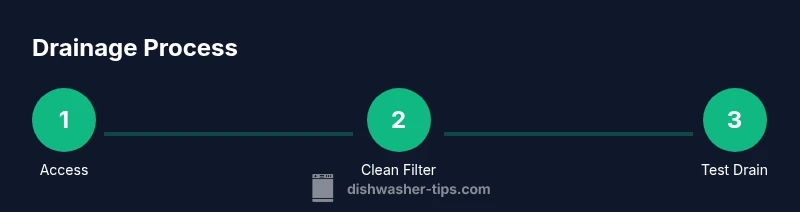
This section provides actionable, staged steps to address most Bosch drainage issues. Start by removing the lower access panel and extracting the filter and rotor assembly. Clear any debris with a soft brush, rinse thoroughly, and set aside to dry. Inspect the drain hose for kinks or clogs; detach it if needed and flush with water. If feasible, use a flexible drain snake to gently break up stubborn obstructions inside the hose or trap. Reassemble and run a diagnostic cycle to confirm water drains within the expected time.
Maintenance to prevent future drain problems
Regular cleaning of the filter and sump reduces the risk of unexpected clogs. Use a soft brush and warm water; avoid harsh chemicals that could degrade seals. Periodically inspect the drain hose for wear and ensure the loop under the sink is not too high, which can trap air and hinder drainage. Consider a routine check after heavy loads (rice, pasta, fibrous vegetables) to clear any residual fibers. A preventive mindset saves time and service calls.
How to test drainage after repair
Run a normal cycle without dishes to confirm that water drains within the standard time frame. If water remains, recheck the filter and hose connections, ensuring every connection is snug and properly seated. Listen for the drain pump’s hum; a lack of hum can indicate a failed pump or a blown fuse. If it sounds correct but water still remains, you may need to measure voltage at the pump or inspect the wiring for loose connections with a multimeter.
When to call a professional
If you see persistent standing water, repeated clogging after cleaning, or a burning smell from the motor, stop DIY work. Electrical or wiring concerns require licensed help. A pro can diagnose a failing pump capacitor, a damaged impeller, or a cracked hose, and they can also check for deeper plumbing problems.
Common mistakes to avoid
Don’t force panels or components; use proper driver screws and avoid prying with metal tools that could damage plastic parts. Avoid using chemical drain cleaners inside the dishwasher—these can damage seals and contaminate dishwasher-safe dishes. Never run a cycle if you cannot confirm the drain is free of obstructions. Finally, always restart the machine after any intervention and observe for any leaks.
Tools & Materials
- Gloves(rubber or latex; to keep hands clean)
- Bucket(catch water during panel removal)
- Screwdriver set(Phillips #2 or flathead depending on screws)
- Towels or rags(absorb spills and keep area dry)
- Flexible drain snake or drain brush(for clearing clogs in hoses)
- Flashlight(illuminate dark corners)
- Multimeter (optional)(for checking pump electrical connections)
Steps
Estimated time: 60-90 minutes
- 1
Power off and prepare
Unplug the unit and shut off the water supply. Move the machine away from the wall to access the bottom panel. This step prevents shocks and leaks while you work.
Tip: Have towels handy and ensure the area is dry before panel removal. - 2
Access and clean the filter/sump
Remove the lower kick panel or filter cover according to your model. Take out the filter and rinse under warm water. Clean the sump area with a soft brush to remove built-up debris.
Tip: Inspect the gasket around the filter for wear and replace if needed. - 3
Inspect the drain hose for kinks
Trace the drain hose from the dishwasher to the sink or disposal. Look for sharp bends, kinks, or crushed sections that can block flow. If possible, detach and straighten or replace a damaged hose.
Tip: Check that the hose height under the sink is not too high, which can trap air. - 4
Clear the drain path with a snake
Gently insert a flexible drain snake into the hose or trap to dislodge obstructions. Rotate as you push to break up clogs. Avoid forcing; work slowly to prevent hose or pipe damage.
Tip: Flush with water after breaking up the clog to verify clearance. - 5
Reassemble and run a test cycle
Reconnect all components, secure panels, and plug back in. Run a short diagnostic cycle with no dishes to confirm proper drainage. Observe the drain flow and listen for the pump operation.
Tip: If water remains, recheck all connections and consider professional help. - 6
Cleanup and maintenance
Wipe surfaces dry, store tools, and document any parts replaced. Schedule regular filter cleaning to prevent future clogs. Keep an eye on hoses for wear between uses.
Tip: Create a simple maintenance routine: monthly filter checks.
People Also Ask
Why is my Bosch dishwasher not draining after a wash cycle?
Most often the issue is a clogged filter or drain hose. Inspect and clean these components first. If the problem persists, the pump or wiring may be at fault and require professional diagnosis.
Commonly, a clogged filter or hose blocks drainage. Start by cleaning these parts, then test the pump; if it still fails, contact a professional.
Can I fix drainage without professional help?
Yes, many drainage problems are DIY-friendly. Follow safety steps, clean the filter, straighten the hose, and use a flexible snake to clear clogs. If you encounter electrical concerns, stop and call a pro.
Yes—start with cleaning the filter and hose, then clear clogs with a snake. If you see wiring issues, seek a pro.
How do I clean the Bosch dishwasher filter?
Remove the filter assembly, rinse under warm water, and scrub away residue. Check the sump for debris and wipe clean. Reassemble and run a rinse cycle to ensure proper drainage.
Take out the filter, rinse it well, clean the sump, and reassemble. Run a test cycle to verify drainage.
What should I avoid when addressing drain issues?
Avoid chemical drain cleaners inside the dishwasher; they can damage seals and contaminate dishes. Do not force panels or hoses; use proper tools and take your time.
Don’t use harsh chemicals in the dishwasher and don’t force parts—work carefully.
When should I replace the drain pump?
If the pump doesn’t engage, makes no sound, or shows electrical faults after testing, replacement may be necessary. A professional can confirm pump health and select the correct replacement.
If the pump doesn’t run or tests show faults, replacement is likely needed; consult a pro.
Watch Video
What to Remember
- Begin with safety: unplug and shut water.
- Clogs are most often in the filter or hose.
- Test movement of the drain path step by step.
- Prevent future issues with regular cleanings.
- Seek professional help for electrical concerns.