LG Dishwasher Fault Codes: Diagnosis, Fixes, and Prevention
Master LG dishwasher fault codes with quick fixes, diagnostic flow, and step-by-step repair guidance from Dishwasher Tips. Learn to reset, clean, and prevent codes for smoother cycles.


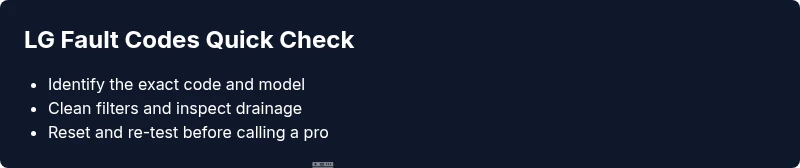
LG dishwasher fault codes indicate specific problems signaled by the control board. These codes help you diagnose the issue quickly and avoid unnecessary parts replacement. According to Dishwasher Tips, note the exact code and model number first, then try simple fixes like resetting the unit, cleaning filters, or reseating sensors. If the code persists, consult the user manual or our full guide for model-specific steps.
What the 'l g dishwasher fault codes' mean
In LG dishwashers, fault codes are alphanumeric signals displayed on the door LCD when a problem interrupts a cycle. They correspond to sensors, valves, pumps, or the control logic. The exact code varies by model, but many LG families share common categories such as drainage problems, water inlet issues, overheating, or electronic faults. Understanding the meaning empowers you to act quickly and avoid unnecessary service calls. The Dishwasher Tips Team emphasizes that codes are diagnostic signals, not guarantees of a failed part. A code like IE or OE often indicates inlet or drain problems, while UE or DE may point to draining or door issues. The goal is to translate a short code into a practical action plan. Start by locating your model number on the door or inner frame, then cross-reference the code with the user manual or Dishwasher Tips Analysis, 2026. Keeping a notebook of codes and dates helps track if the issue is recurring. Regular maintenance reduces the chance of codes appearing: clean filters, inspect hoses, and ensure the dishwasher is level. If you notice water pooling under the unit or unusual smells, stop using it and seek guidance. The first line of defense is routine cleaning and a careful reset; in many cases this resolves transient faults without parts replacement. By approaching codes methodically, homeowners can save time and avoid unnecessary service visits.
Dishwasher Tips note: these codes are most actionable when paired with a model number and the exact sequence shown on the display.
What the 'l g dishwasher fault codes' mean
In LG dishwashers, fault codes are alphanumeric strings displayed on the door LCD when a problem interrupts a cycle. They correspond to sensors, valves, pumps, or the control logic. The exact code varies by model, but many LG families share common categories such as drainage problems, water inlet issues, overheating, or electronic faults. Understanding the meaning empowers you to act quickly and avoid unnecessary service calls. The Dishwasher Tips Team emphasizes that codes are diagnostic signals, not guarantees of a failed part. A code like IE or OE often indicates inlet or drain problems, while UE or DE may point to draining or door issues. The goal is to translate a short code into a practical action plan. Start by locating your model number on the door or inner frame, then cross-reference the code with the user manual or Dishwasher Tips Analysis, 2026. Keeping a notebook of codes and dates helps track if the issue is recurring. Regular maintenance reduces the chance of codes appearing: clean filters, inspect hoses, and ensure the dishwasher is level. If you notice water pooling under the unit or unusual smells, stop using it and seek guidance. The first line of defense is routine cleaning and a careful reset; in many cases this resolves transient faults without parts replacement. By approaching codes methodically, homeowners can save time and avoid unnecessary service visits.
Dishwasher Tips note: these codes are most actionable when paired with a model number and the exact sequence shown on the display.
Steps
Estimated time: 45-60 minutes
- 1
Power down and safety check
Unplug the unit or switch off the circuit breaker. Wait 60 seconds to discharge capacitors, then test the outlet with a simple device to ensure power is available. This protects you from shocks and prevents accidental startup during inspection.
Tip: If you smell burning or see scorch marks, stop and call a pro. - 2
Gather tools and prep area
Collect a flashlight, a small bowl, towel, and a basic screwdriver set. Clear the cabinet space and ensure the dishwasher is stable and dry around the base before you begin inspecting hoses and filters.
Tip: Lay a towel under the lower access panel to catch any residual water. - 3
Clean the drain filter and sump
Remove the lower spray arm and drain filter, then rinse under warm water until all debris clears. Reassemble and run a test cycle with nothing in the tub to verify drainage.
Tip: Take a photo before disassembly to ensure correct reassembly. - 4
Check the drain hose and air gap
Inspect the drain hose for kinks, clogs, or a high loop that could trap air. If your unit uses an air gap, ensure it is free of blockages. A blocked drain is a common cause of fault codes.
Tip: Ensure the hose end is above the water level to aid gravity drainage. - 5
Test the inlet valve and float switch
With the valve access panel open, gently tug the inlet hose and verify the float moves freely. A stuck float or valve can trigger inlet-related codes and prevent filling.
Tip: Do not force parts; if movement feels stiff, consult the manual. - 6
Run a controlled test cycle
After reassembly, run a short test cycle with a small load. Note any new codes or behavior. If the code reappears, size up the repair to a professional.
Tip: Document the exact code and cycle duration for future reference.
Diagnosis: Dishwasher displays a fault code and stops mid-cycle
Possible Causes
- highClogged or dirty drain filter
- mediumDrain pump failure or partial blockage
- lowControl board fault or sensor issue
Fixes
- easyClean the drain filter and run a short cycle to test drainage
- easyInspect drain hose for kinks or clogs; ensure proper routing
- hardReplace the drain pump or repair the controller board (professional)
People Also Ask
What does it mean when an LG dishwasher shows a fault code?
Fault codes indicate a specific issue in drainage, inlet, sensors, or the control board. They guide you to a targeted fix rather than guessing. Always note the exact code and model for accurate troubleshooting.
A fault code points to a specific problem area like drainage or sensors. Write down the code and model, then follow the guide to a targeted fix.
Can I reset LG fault codes safely?
Yes, many LG codes can be cleared by a simple reset. If the code reappears, you likely have a lingering fault requiring cleaning, reseating components, or a component replacement.
You can usually reset the code, but if it comes back, you may need a more thorough inspection.
When should I call a professional for LG fault codes?
Call a professional if the fault code persists after cleaning filters, checking hoses, and resetting. Complex codes point to pump, valve, or control-board failures that require diagnostic tools and parts replacement.
If the code sticks after basic checks, it’s time to call a pro.
Are LG fault codes a sign I should replace the entire unit?
Not necessarily. Many codes relate to common wear items like filters, hoses, or inlet valves. A professional can tell you if a partial repair or part replacement is enough, avoiding full unit replacement.
Not always. Often you can fix the part rather than replacing the whole machine.
What is the most frequent cause of LG fault codes?
Clogged drain filters and blocked hoses top the list. Regular cleaning and proper routing of hoses dramatically reduce the likelihood of recurring codes.
Usually, cleaning filters and hoses resolves the most common codes.
Watch Video
What to Remember
- Identify the exact fault code and model first
- Start with quick resets and filter cleaning
- Inspect drainage path before replacing parts
- Use the diagnostic flow to prioritize likely causes
- When in doubt, contact a professional