What Dishwasher Temperature Is Required to Disinfect Equipment? A Practical Guide
Learn the temperature needed to disinfect equipment in home dishwashers, including sanitize cycle temps, verification methods, and practical steps from Dishwasher Tips.


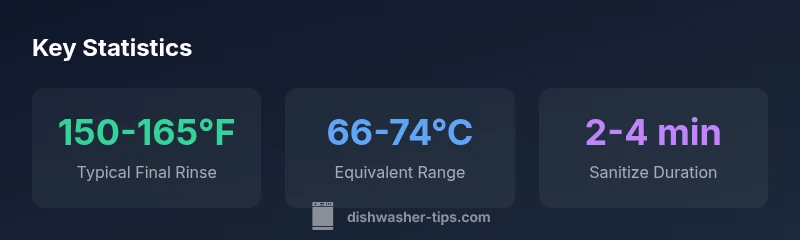
Q: What dishwasher temperature is required to disinfect equipment? A: In general, a sanitize cycle should reach a final rinse temperature of at least 150°F (66°C). Many modern dishwashers reach 160–165°F (71–74°C) on their sanitize cycles. Numbers vary by model, so always check the manual and enable sanitize mode for disinfection.
Why dishwasher temperature matters for disinfection
Disinfection of kitchenware through a dishwasher hinges on reaching and maintaining the right water temperature throughout the wash and rinse phases. For readers asking what dishwasher temperature is required to disinfect equipment, the answer isn’t a single fixed number. It depends on the sanitize cycle, the duration of the hot rinse, water quality, and how items are loaded. According to Dishwasher Tips, sanitation outcomes improve when the final rinse reaches a threshold temperature and stays in that range for a short but sufficient time. This matters because residential dishwashers rely on thermal disinfection rather than chemical sterilization, so temperature and exposure duration are your primary allies in reducing microbial load. When you set the sanitize option, you’re asking the machine to apply heat long enough to lower risk, especially after handling raw foods or symptoms of a contaminated surface.
In practice, you should verify that your unit is capable of reaching the temperatures recommended by your model’s manual, and you should avoid overriding settings that are designed to protect items from heat damage. The temperature requirement for disinfection is not a one-size-fits-all spec; it’s a protocol that combines target temperature with cycle duration and proper loading for maximum effectiveness.
What counts as 'sanitizing' in home dishwashers?
Sanitizing, in the context of home dishwashers, means reducing the number of viable microorganisms to a level deemed safe by health standards. It is not the same as sterilization, which aims to kill all forms of life. In most consumer machines, sanitizing is achieved by a high-temperature final rinse plus sufficient dwell time, sometimes supported by a published cycle designed for this purpose. The exact temperature and time can vary, but the goal remains consistent: higher heat with enough exposure leads to more thorough disinfection. It’s important to distinguish sanitizing from routine cleaning, as you may see hot-water wash cycles that do not qualify as sanitizing unless they reach the designated final rinse conditions. To maximize outcomes, pair the sanitize setting with a regularly maintained dishwasher and properly loaded racks so that water can circulate freely around every item.
Sanitize cycles vs. other high-temperature cycles
Many dishwashers offer multiple cycles that involve heat, but not all are equal in disinfection strength. A dedicated sanitize cycle is designed to reach and sustain higher temperatures for a defined period, often with extended rinsing and sometimes a heated dry phase. Other high-temperature cycles may heat water quickly without the same dwell time or may run shorter final rinses. Understanding the distinction helps you choose when disinfection is truly needed and avoids assuming that any hot-cycle dishwashing provides sanitation. If your goal is routine disinfection after handling raw ingredients or when someone is sick, select the sanitize option, and then confirm the final rinse temperature in the user manual or via a thermometer check.
Factors that influence disinfection effectiveness
Disinfection isn’t driven by temperature alone. Several factors influence how well a dishwasher disinfects equipment: water hardness, detergent or rinse aid quality, the presence of soil or grease, and how items are arranged inside the rack. Heavily soiled dishes can shield bacteria from heat if water cannot reach them effectively. Detergent chemistry helps loosen soils so heat can more readily contact the surfaces. Hard water can form mineral deposits that insulate surfaces; using a rinse aid and a water-softening program can improve heat transfer. Finally, ensure your dishwasher is not overpacked; gunked-up spray arms or blocked nozzles can reduce water contact and lower disinfection efficacy. In sum, achieving a high final temperature is essential, but proper loading, detergent choice, and maintenance are equally critical for disinfection success.
How to verify your dishwasher reaches the target temp
Verification starts with a thermometer and a simple test run. After running a sanitize cycle, open the door and insert a clean, food-grade thermometer into a metal item (or use a glass thermometer against a metal surface) to measure the final rinse temperature. If the number is consistently below the target range, review the user manual for calibration steps and heater status indicators. Some models offer a built-in temperature readout or a diagnostic mode—consult the manual for precise instructions. If temps fail to meet expectations after recalibration, contact the manufacturer or a service technician. Regular verification helps you confirm the machine is performing as intended and supports reliable disinfection when needed.
Best practices for maximizing disinfection without damaging items
To maximize disinfection while protecting dishes and plastics, follow these guidelines:
- Use the sanitize cycle whenever possible for disinfection needs.
- Place heat-tolerant items on the top rack and keep delicate plastics away from higher heat zones when not intended for sanitize cycles.
- Ensure proper water hardness control and use rinse aid to improve water contact and drying.
- Do not overload the rack; leave space for water to circulate freely.
- Consider periodic manual cleaning and filter maintenance to keep the machine functioning at peak disinfection performance.
Common myths about dishwasher disinfection
Myth: Any hot cycle disinfects effectively. Reality: Only cycles designed as sanitize modes with validated temperatures and dwell times deliver consistent disinfection. Myth: Higher heat automatically damages all items. Reality: Most modern plastics are rated for high-temp cycles, but always check item-care labels and manufacturer guidelines. Myth: Dishwashers disinfect without detergent. Reality: Detergents help remove soils that would otherwise shield microbes from heat. It’s a combination of temperature, time, and cleaning chemistry that yields disinfection results.
Quick-start steps for checking and maintaining sanitize temps
- Locate sanitize cycle in the dishwasher’s control panel and enable it for routine disinfection.
- Run a test load with an accurate thermometer to confirm the final rinse temperature.
- If temps are low, verify heater operation, water heating capability, and cycle duration settings.
- Clean and inspect spray arms and filters to ensure optimal water distribution.
- Schedule regular professional maintenance to keep the heating elements and sensors accurate.
Troubleshooting: what to do if your dishwasher won’t reach the target temperature
If your dishwasher won’t reach the target temperature, start with a quick diagnostic: run a hot-water cycle and check water heater settings. Inspect the heater element for signs of damage and verify the thermostat is functioning. Ensure the appliance isn’t in eco-mode that restricts heat output. If the problem persists, consult the manual’s troubleshooting section or contact technical support. In some cases, a professional service call is necessary to restore the sanitize performance and prevent ongoing disinfection gaps.
Sanitize cycle temperature guidance across common home dishwashers
| Aspect | Typical Target Temp | Notes |
|---|---|---|
| Final rinse temp (sanitize) | "150-165°F" | "Common range for sanitize cycles across models" |
| Equivalent Celsius | "66-74°C" | "Metric range for easy reference" |
| Sanitize duration | "2-4 minutes" | "Model-dependent; longer cycles improve disinfection" |
People Also Ask
Do all household dishwashers sanitize?
Most modern dishwashers offer a sanitize cycle, but not every model provides sanitation temperatures or dwell times. Check your manual to confirm whether sanitation is supported and what temperature range it uses.
Many dishwashers have sanitize options, but verify your specific model’s capabilities.
Is hotter always better for disinfection?
Higher temperatures can improve disinfection, but very hot cycles may risk damage to heat-sensitive items. Always follow the manufacturer’s guidelines and consider cycle duration and proper loading.
Hotter isn’t automatically better—use the sanitize setting as directed.
How long should the sanitize cycle run?
Sanitize cycles are typically longer than standard washes, with the final rinse lasting a few minutes. Durations vary by model, so consult the manual for exact times.
Most sanitize cycles take a bit longer; check your machine’s specs.
Can plastics withstand high dishwasher temperatures?
Many plastics tolerate high temperatures, but some can warp or discolor. Use dishwasher-safe plastics and place them appropriately away from heat-intensive zones.
Check the heat rating of plastics before using sanitize cycles.
How can I test my dishwasher's final rinse temperature safely?
Run a sanitize cycle with a thermometer to measure the final rinse. Record the temperature to confirm it meets the model’s target range.
Use a thermometer after a cycle to verify temps.
What should I do if my dishwasher won’t reach the target temperature?
Check the heating element, thermostat, and water heater settings. If readings stay low, review the manual’s troubleshooting steps or contact service.
If temps stay low, check heater and thermostat, then call support if needed.
“Disinfection in dishwashers relies on achieving sanitize temperature and adequate time. Temperature alone isn't enough—cycle duration and proper loading matter.”
What to Remember
- Aim for a final rinse of 150°F (66°C) or higher
- Use sanitize mode for effective disinfection
- Consult your model’s manual for exact ranges and durations
- Test with a thermometer after installation and periodically thereafter