What Size Dishwasher Hose: A Practical Guide
Learn how to identify the correct hose size for your dishwasher, measure fittings, and choose safe, durable options with expert tips from Dishwasher Tips.


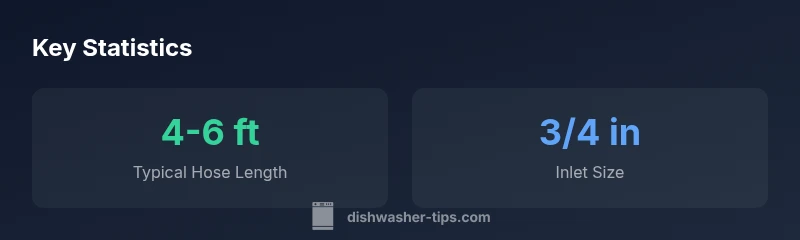
According to Dishwasher Tips, the typical residential dishwasher uses a standard hose size for its water inlet and supply connections, but you should verify against your model and local plumbing practices. In most homes, the hose length ranges from four to six feet to accommodate under-sink routing, with common end fittings being 3/4-inch and 3/8-inch compression variants. Measure before buying.
What size dishwasher hose fits most homes
According to Dishwasher Tips, the size of the hose you need depends on the dishwasher's inlet, the home supply valve, and the space under your sink. The most common residential setup uses a standard 3/4-inch inlet hose paired with a supply valve that accepts 3/8-inch compression fittings. However, models vary, and some configurations use adapters. To avoid leaks or poor performance, always start by checking your model's manual and measuring both ends before purchasing a replacement hose. In practice, lengths typically range from four to six feet to accommodate under-sink routing, but shorter or longer runs are not unusual in smaller apartments or expansive kitchens. This is why careful measurement is essential before you buy, and why a flexible braided hose is often recommended for durability and kink resistance.
End fittings and standards you should know
While 'hose size' is often described in inches, the crucial factors are the end fittings and thread standards that connect to your dishwasher and shut-off valve. Most dishwashers use a standard inlet connection that matches a 3/4-inch female thread; depending on the supply line, you may encounter 3/8-inch compression adapters or 1/2-inch NPT variations. To determine compatibility, inspect the existing hose and valve: note the threaded end size, threading type (compression vs. NPT), and whether there is a compression nut or a quick-connect. If you're replacing a damaged hose, bring the old hose to the hardware store to compare fittings side-by-side. When in doubt, choose a hose with flexible, braided construction and universal adapters that can accommodate common valve types. The fittings are where most install problems originate, so verify both ends before you purchase.
How to measure your hose ends and length
Start with the appliance end:
- Inspect the dishwasher inlet for threads or compression fittings and note the size (for many models this is 3/4 inch). Use a caliper or a ruler to capture the diameter across the threads. Then examine the supply valve end:
- Check whether your shut-off valve accepts a compression connection (common on 3/8 inch) or a threaded NPT outlet. Measure the outer diameter and the thread pitch if visible. For length, route a flexible string or measuring tape from the bottom of the valve to the dishwasher intake, following the actual path under the sink. Add 6–12 inches of slack for bends and quick adjustments. Always document both ends with model numbers and take photos before you buy a replacement hose. This careful measurement prevents returns and leaks later on.
Selecting the right hose material and length for durability and safety
Material matters: braided stainless steel hoses resist kinking better than plain rubber and often provide higher burst pressure ratings, which reduces the risk of leaks over time. Rubber hoses are cheaper but can wear faster, especially in hot water lines. When choosing length, default to 4–6 feet for most kitchens, but adjust to your space. If your under-sink path requires a longer run, choose a hose with extra length and flexible connectors rather than forcing a tight bend. Check that the hose is rated for the water temperature and pressure in your home, and select fittings that match your valve and dishwasher. Braided hoses usually include protective outer coverings to seal against abrasion and corrosion.
Installation scenarios and practical tips to avoid leaks
Under-sink routing is the most common scenario, but consider wall-mounted valves or floor clearance in small apartments. Use anti-kink springs or corrugated hoses to maintain a smooth path and reduce twist. Secure hoses with clamps but avoid overtightening, which can damage threads. Keep the hose off sharp edges and away from heat sources. If you use adapters, hand-tighten and finish with a wrench very lightly to avoid stripping threads. Finally, always shut off the water before disconnecting or reconnecting hoses, and test for leaks at low pressure before leaving the kitchen unattended.
Signs you should replace or adjust your dishwasher hose
Look for visible wear such as cracks, bulges, or crust along metal fittings. A weeping connection, damp spots under the sink, or a hissing sound during operation indicates a leak. Hose handles that resist compression or show rust on metal parts should be replaced promptly. Do not reuse damaged clamps. If your hose is older than five to seven years, plan a replacement during a slow maintenance window to prevent a sudden failure.
Maintenance tips to extend hose life and maintain performance
Perform a periodic visual check every six months, looking for signs of wear, corrosion, or stiffness. Keep the pathway clean and free from dust, which can accelerate deterioration. When you replace a hose, use a model with braided steel construction and a manufacturer-supplied protective sleeve, and test for leaks after installation. Label your plumbing components with install dates to track replacement intervals. If you lend your home to others or rent, leave clear instructions for hose maintenance to prevent misuse or accidental disconnections.
Typical hose size considerations for residential dishwashers
| Aspect | Typical size range | Notes |
|---|---|---|
| Inlet connection | 3/4 inch nominal | Common standard; verify with model manual |
| Supply valve connection | 3/8 inch compression or 1/2 inch NPT adapters | Adapters vary by plumbing setup |
| Hose length | 4-6 feet | Flexible routing under sinks |
| Material options | Braided stainless steel, reinforced rubber | Durability and kink resistance |
People Also Ask
What size dishwasher hose do I need?
Most dishwashers use a standard 3/4-inch inlet hose, often with a 3/8-inch compression adapter to the supply valve. Always measure both ends on your unit to confirm compatibility before buying.
Most dishwashers use a standard 3/4-inch inlet hose; measure both ends to confirm compatibility before buying.
How do I measure my dishwasher hose ends?
First, inspect the appliance inlet and note the thread size. Then check the supply valve end for compression or NPT fittings and measure diameter. Finally, measure the hose length along the intended route and add slack for bends.
Measure both ends and the route, then add some slack for turns.
Can I mix hose sizes or use adapters?
Adapters are sometimes necessary to match different end fittings, but avoid mixing incompatible sizes unless you have proper adapters and seals. Mismatched sizes can cause leaks.
Adapters may be needed to match fittings; avoid incompatible sizes to prevent leaks.
Is a longer hose better, or can it cause problems?
Long hoses give flexibility but can create sagging, kinks, or extended leak paths. Use the shortest feasible length and route with gentle bends to minimize pressure points.
Longer isn't better—keep it short and smooth with gentle bends.
What if I notice a leak after replacement?
Shut off water, re-tighten connections by hand then with a tool, and inspect gaskets. If dampness persists, replace the hose or fittings and check for thread damage.
Shut off water, re-tighten, replace worn parts, and re-test.
Do all hoses fit all dishwashers?
No. Hoses vary by manufacturer. Always verify end sizes and valve compatibility, and consider a universal braided hose with adapters for flexibility.
Not universal—check fittings and adapters.
“Choosing the correct hose size is essential for preventing leaks and ensuring reliable operation. Start by measuring both ends and verifying fitting types before you buy.”
What to Remember
- Measure both ends before buying.
- Prefer braided stainless steel hoses for longevity.
- Check compatibility and use adapters if needed.
- Verify end fittings on both the appliance and valve.
- Replace aging hoses proactively.