Bottom of Dishwasher Leaking: Quick Fixes & Troubleshooting
Urgent guide to diagnosing and fixing bottom of dishwasher leaking. Learn common causes, step-by-step repairs, and prevention to keep your kitchen dry.


Most often, water pooling at the bottom of a dishwasher means a failed door gasket, a clogged or damaged drain hose, or a faulty pump seal. Start by checking the door gasket for cracks, then inspect the drain hose for kinks or clogs, and verify the appliance sits level. If water leaks persist, call a pro.
Understanding the Symptoms and Why Water Ends Up at the Bottom
Water appearing at the bottom of a dishwasher is alarming and disruptive, especially after a busy day. In many households, this issue traces back to three primary culprits: the door gasket, the drain hose, and the pump seal. According to Dishwasher Tips, the most common leaks originate from worn or damaged gaskets and hoses, or from a faulty pump seal. You’ll often notice a thin film of water along the door frame after a cycle, or you may see trickling water during the wash phase. Understanding where the water pools helps narrow the fix and prevents unnecessary component replacements. Infrequent maintenance, overloading the dishwasher, or using the wrong detergent can aggravate leaks by increasing pressure on seals and hoses. A proactive approach combines visual inspection with a quick test cycle to observe the leak path. By starting with the simplest, most likely causes, you can restore dry floors and avoid bigger problems later on.
Most Common Causes You’ll Likely Encounter
Leakage at the bottom most often comes from three areas: the door gasket, the drain hose, and the pump seal. A cracked or stiff door gasket allows steam and rinse water to escape past the door. A drain hose that is kinked, clogged, or loose can leak water onto the base or into the cabinet. A failing pump seal can allow water to seep around the motor housing or into the base tub. Dishwasher Tips analysis (2026) indicates these are the leading trouble spots, with tails of leaks tracing back to wear and improper installation. Sometimes a misaligned float switch or an overfilled tub can trigger excess water that escapes through seals. If the dishwasher is connected to a disposal, ensure the knock-out plug is removed and that the disposal inlet is clean.
Safety First: What Not to Do
Never operate a dishwasher with a visibly damaged door gasket, a wet electrical outlet nearby, or standing water near the control panel. Avoid using sharp tools to pry or poke at seals, which can cause further damage. If you smell burning plastic or hear unusual noises from the motor, stop the unit and unplug it immediately. Water and electricity are a dangerous mix.
Quick Home Checks You Can Do Right Now
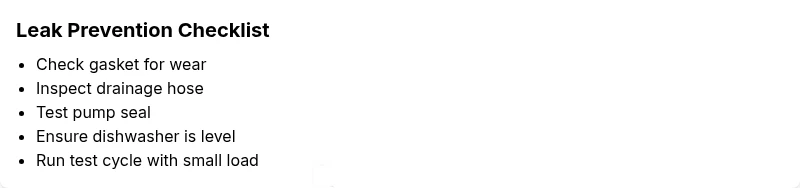
- Visually inspect the door gasket for tears, cracks, or stiffening; press around the door to check for looseness. - Look at the drain hose behind the kick plate or under the sink connection for kinks, pinches, or loose clamps. - Check the pump area for signs of oil or water seepage around the motor seal. - Ensure the dishwasher is level; a tilt toward the door can create leaks when water sloshes. - Run a short hot-water cycle with no dishes and watch for drips; place a dry towel under the base to catch drips and identify their path. When you catch a leak early, you can catch multiple small issues before they escalate.
Diagnostic Flow in Plain Language
Begin with the simplest checks: level the machine, inspect the door gasket, and verify hose integrity. If these pass, move to the pump seal and check for signs of leakage around the pump housing. A misrouted spray arm or an overflowing float can also contribute to bottom leaks. Tracking the water’s entry path helps decide whether you should replace a gasket, replace the hose, or service the pump. Remember to disconnect power before touching internal components and to use a flashlight to inspect tight corners.
Repair Paths: Drain Hose, Pump Seal, and Door Gasket
If the door gasket shows wear, replace it with the exact model specified by the manufacturer. For a kinked or clogged drain hose, detach and clean the hose; replace clamps as needed to ensure a watertight seal. A leaking pump seal typically requires disassembly and a seal kit; in many models this is a medium-difficulty repair that some homeowners can handle with guidance, but a professional may be preferred if you’re unsure. If you observe water around the pump or motor housing, don’t ignore it—pump seals are critical to preventing interior flooding.
Water Management: Level, Overflow, and Drain Paths
In some cases, poor water management inside the unit causes water to pool at the base. Make sure the dishwasher is perfectly level left-to-right and front-to-back. Check the float switch for proper operation; a failing float can prevent proper shutoff, causing overfill. Confirm that the air gap (if present) is clear and that the drain system is optimized for your plumbing configuration. After performing these checks, run a test cycle with a small load and observe the water path; this helps ensure the leak source is eliminated before putting the dishwasher back into full operation.
Maintenance and Prevention: Keep Leaks from Returning
Regularly inspect door gaskets and hoses every 6–12 months, especially if you notice water near the base after cycles. Use the manufacturer’s recommended detergent and avoid overloading the dishwasher to prevent undue strain on seals. Check the kick plate area for signs of water and clean the filter and sump to prevent clogs that can push water toward seals. If your home has hard water, consider a rinse aid and periodic descaling to minimize mineral buildup on seals and hoses. A little upfront maintenance goes a long way toward extending the life of your dishwasher.
When to Call a Professional and What to Expect
If water continues to pool at the bottom after you have inspected gaskets, hoses, and pump seals, it’s time to call a professional. A licensed technician can perform a pressure test, inspect the tub for cracks, and check internal water valves and wiring securely. Expect diagnostic and repair fees in the moderate range, and be ready to provide model numbers, age of the appliance, and a detailed description of what you observed. The Dishwasher Tips team recommends seeking help promptly when leaks persist to prevent mold growth and water damage.
Conclusion: Quick Recap and Prevention Tips
Bottom-of-dishwasher leaks usually stem from worn gaskets, damaged hoses, or a compromised pump seal. Start with a level check, gasket inspection, and hose clean-up, then progress to pump seals if needed. Regular maintenance can prevent leaks and extend the life of your unit. The Dishwasher Tips team recommends keeping a simple inspection routine every few months and addressing issues early to minimize downtime and expense.
Steps
Estimated time: 45-90 minutes
- 1
Power down and water shutoff
Unplug the dishwasher and shut off the water supply. This prevents accidental shocks and flooding while you inspect components.
Tip: Take a photo of hose connections before disconnecting anything. - 2
Inspect the door gasket
Open the door and closely examine the gasket for cracks, tears, or stiffening. A torn gasket is a common leak source.
Tip: Gently press around the edges to feel for softness; replace if brittle. - 3
Check the drain hose
Follow the drain hose from the tub to the connection. Look for kinks, clogs, or loose clamps that could leak water onto the base.
Tip: Detangle any kinks; clean the hose interior with a flexible brush if needed. - 4
Inspect the pump area
Examine the pump seal area for dampness or oil-like residue which indicates a seal leak.
Tip: Do not force the pump cover; reseal only if you’re confident in the procedure. - 5
Check the float and overflow
Ensure the float moves freely and that the overflow valve isn’t stuck in the open position.
Tip: Rinse the float mechanism with water to remove mineral buildup. - 6
Level the unit
Confirm the dishwasher sits level on the floor to prevent water from pooling toward the base.
Tip: Adjust the front feet evenly until a level line appears on the door frame. - 7
Run a test cycle
With no dishes, run a short cycle and watch for leaks. Note where the water appears to confirm the source.
Tip: Place towels to quickly observe dripping paths. - 8
Replace worn components
Install new door gasket, hose, or pump seal as needed following manufacturer instructions.
Tip: Use authentic parts to ensure compatibility and warranty coverage. - 9
Consider professional service
If the leak persists after these steps, contact a licensed technician for a thorough inspection and warranty-compliant repair.
Tip: Provide model number, age, and a leak description to speed service.
Diagnosis: Water pooling at the bottom after a cycle
Possible Causes
- highWorn or damaged door gasket
- highClogged or kinked drain hose
- mediumFaulty pump seal
- lowOverfill float or valve issue
Fixes
- easyInspect and replace door gasket if cracks or tears
- easyUnkink/clean drain hose and check for clogs
- mediumTighten hose clamps and replace pump seal if leakage from pump area
- easyTest and reset float/overflow switch
People Also Ask
What causes water to pool at the bottom of my dishwasher?
Water pooling at the bottom is typically caused by a worn door gasket, a clogged or damaged drain hose, or a faulty pump seal. Other factors include an overfilled tub or a misadjusted float switch. Identifying the path helps target the fix.
Leaking water usually comes from the door gasket, drain hose, or pump seal. Start by checking those areas to pinpoint the source.
Is a door gasket failure the most common reason for leaks?
Yes, a worn or damaged door gasket is one of the most common leak sources, especially on older models or after frequent door opening. Inspect for cracks and replace if needed.
Door gasket wear is a leading cause; check it first and replace if worn.
Can a clogged drain hose cause leaks even if the dishwasher drains normally?
A partially clogged drain hose can back up water and overflow onto the base, even if drainage appears normal during cycles. Clear any blockages and ensure clamps are secure.
A clogged hose can back up water—clear it and re-secure clamps.
When should I repair vs. replace the pump seal?
If the pump seal shows visible leakage and you have an affordable replacement kit or professional support, replacing the seal is common. If other pumps components show wear, a full pump replacement may be more cost-effective.
If the seal leaks and replacement parts are affordable, fix it; otherwise consider a pump replacement.
Do I need a professional to fix bottom-leak issues?
Not always. Many leaks stem from gaskets or hoses you can replace yourself with standard tools. However, leaks from the pump seal or tub cracks usually require a professional.
You can fix many leaks yourself, but pump seal or tub cracks typically need a pro.
What maintenance reduces future leaks?
Regularly inspect gaskets and hoses, use manufacturer-recommended detergent, avoid overloading, and descale hard-water buildup. A simple quarterly check helps detect wear before it leaks.
Inspect seals and hoses regularly and descale if you have hard water.
Watch Video
What to Remember
- Identify leak sources early to prevent damage
- Start with door gasket, then hoses, then pump seals
- Level the machine to avoid pooling at the base
- Call a professional if leaks persist after checks