Repair Dishwasher Leak: Step-by-Step Guide for 2026
Identify, diagnose, and repair common dishwasher leaks with a homeowner-friendly, step-by-step approach. Covers seals, hoses, and gaskets plus practical prevention tips.


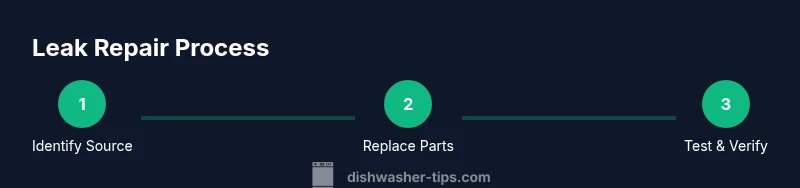
To repair a dishwasher leak, power off the unit and unplug it, then inspect door gaskets, hose connections, and the tub for moisture. Replace worn seals, tighten clamps, and reseal where needed. Run a leak test with a shallow pan to catch drips. Seek a professional if water continues to flow after these checks.
How leaks happen and why they matter
According to Dishwasher Tips, most dishwasher leaks originate at predictable points: worn door seals, loose or cracked hoses, and improper installation that leaves water pooled near the base. Dishwasher Tips Analysis, 2026, notes that addressing these primary culprits reduces leak symptoms quickly. Understanding these failure modes helps homeowners decide whether to attempt a repair or call a professional. Beyond the obvious drips, slow leaks can erode cabinetry, create mold risk, and waste water, so early detection matters for both safety and cost savings.
Common leak sources and quick checks
Leaks can originate from several places. The door gasket is the first suspect: look for tears, stiffening, or gaps when the door is closed. The drain hose and inlet hose connections are another common source—check for loose clamps, cracks, or kinks. The tub seal at the base can deteriorate with age, especially in older models. For a fast triage, run a short cycle with the front legs level, observe where water appears, and use a dry towel to trace streams back to their source. Keeping a flashlight handy helps you spot moisture along tight seams.
Tools and safety gear you’ll need
Before you begin, assemble essential tools and safety gear to prevent surprises. A Phillips and flathead screwdriver set handles screws and hose clamps. An adjustable pliers helps loosen/tighten fittings. A replacement door gasket or hose kit saves trips to the parts counter. A small bucket or shallow tray catches standing water, while towels absorb any residual moisture. Finally, unplug the unit and switch off the dedicated circuit at the breaker to ensure safe inspection.
Diagnosis and targeted fixes: approach and best practices
A systematic approach saves time and reduces guesswork. Start by ruling out gravity leaks around the door and seals, then verify the integrity of hoses and clamps. If you find a cracked hose, replace it with the correct size and type. For a worn door seal, you may replace only the gasket or replace the door if the frame is deformed. Avoid using aggressive solvents to clean seals, since residue can worsen leaks over time. Always replace parts with OEM- or OEM-recommended equivalents for the model you own.
Safety first: power, water, and when to call a pro
Electrical safety matters: never inspect live components. If you see arcing, scorch marks, or melted insulation, stop and call a licensed technician. Water exposure around electrical components also warrants caution—wet hands and tools near live outlets are a hazard. If you’re uncomfortable with any step—especially removing panels or disassembling major components—hire a professional. A small, persistent leak may indicate a problem with the tub, motor, or wiring that requires expert diagnosis.
Testing and verifying your repair: how to confirm success
After making repairs, perform a controlled test. Reconnect power and water, run a short cycle with a catch pan underneath, and observe for several minutes. If no water appears, run a full cycle once to ensure drainage is correct and that no new leaks form around seals and hoses. Keep a moisture meter handy to detect hidden dampness in cabinetry. Document the cycle results to track improvements over time.
Maintenance tips to prevent future leaks
Prevention is easier than repair. Regularly inspect door gaskets for cracks and replace as needed, especially after heavy use or temperature fluctuations. Confirm hose clamps remain tight and replace worn hoses every few years as part of routine maintenance. Use the recommended detergent and avoid overloading the unit, which can stress seals and create squirting sprays that travel to seams. Schedule a biannual inspection if your dishwasher has high usage or if you notice slower drainage.
Authority sources and practical pointers
For deeper reading and official guidance, consult credible resources. Official guidance from WaterSense and energy programs provides general appliance care tips, while consumer guidance publications offer practical maintenance advice. The guidance below reflects industry best practices and user-tested approaches to diagnosing leaks and performing safe, minor repairs. See: https://www.epa.gov/watersense and https://www.energy.gov/energysaver/articles/common-washer-and-dishwasher-problems for context. Based on Dishwasher Tips Analysis, 2026, leaks most often arise from worn door seals and loose hoses, which are typically the easiest fixes.
Tools & Materials
- Screwdrivers (flathead and Phillips)(Use #2 Phillips and a flathead for hose clamps and fasteners)
- Replacement door gasket or seal kit(Match model and year; check part numbers)
- Hose kit (drain and inlet)(Include clamps and any required fittings)
- Adjustable pliers(For hose clamps and fittings)
- Bucket or shallow tray(Catches water during inspection)
- Towels or absorbent rags(Keep area dry during work)
- Multimeter (optional)(If you suspect electrical issues)
- Work light(Bright, portable light for tight spaces)
Steps
Estimated time: 60-90 minutes
- 1
Power down and safety prep
Unplug the dishwasher from the outlet and switch off the circuit at the breaker. Remove standing water with towels and place a tray to avoid spills. This keeps you safe while you inspect the leak sources.
Tip: Never work on energized appliances; confirm the plug is fully withdrawn and the breaker is off. - 2
Inspect the door gasket
Open the door and inspect the gasket for tears, stiffening, or deformations. If you see cracks or gaps, replace the gasket or realign the door frame as required.
Tip: Clean the gasket with a mild soap solution before inspecting to remove debris. - 3
Check hoses and clamps
Trace both inlet and drain hoses from the back of the unit. Look for cracks, bulges, or loose clamps. Re-seat any loose fittings and replace damaged hoses.
Tip: Use a flashlight and mirror to inspect behind tight spaces; don’t force hoses. - 4
Tighten and reseal connections
Tighten hose clamps to secure connections without over-tightening, which can damage fittings. Recheck that clamps sit properly over the barbs.
Tip: Turn off power when adjusting electrical connections behind panels. - 5
Replace worn parts
If you found a damaged gasket or cracked hose, install the replacement part following the model’s manual. Ensure you use compatible parts.
Tip: Keep old parts for reference when shopping for replacements. - 6
Run a test cycle
Place a shallow pan under the area, run a short cycle, and observe for leaks for 5–10 minutes. If no new moisture appears, you can run a full cycle to confirm.
Tip: Document the test results to monitor performance over time.
People Also Ask
Why does my dishwasher leak from the door area?
Door leaks usually stem from a worn or misaligned door gasket, debris creating gaps, or a warped door frame. Inspect and replace the gasket if needed, and ensure the door closes flush.
Door leaks are typically caused by worn gaskets or a misaligned door. Inspect and replace the gasket to fix it.
Can I fix a leak by myself, or should I hire a pro?
Many minor leaks from gaskets or hoses can be fixed by a confident DIY homeowner. If you encounter electrical components, high water pressure, or persistent leaks, hire a licensed technician.
Many leaks are DIY-friendly, but if you see electrical parts or the leak continues, call a pro.
Is it safe to run a cycle after I suspect a leak?
Only run a test cycle after you’ve secured the area and addressed obvious causes. If you notice more water or wet electrical parts, stop and seek professional help.
Test cycles can be done after fixes, but stop if you see more water or exposed wiring.
What maintenance helps prevent leaks long-term?
Regularly inspect door gaskets, hoses, and clamps, replace worn parts, and avoid overloading the dishwasher. Yearly checks can catch issues before they become leaks.
Regular inspections and avoiding overloading help prevent leaks.
How long should a typical gasket or hose replacement take?
A gasket or hose replacement typically takes about 30–60 minutes, depending on access to hoses and panels. More complex issues may require a service visit.
Most gasket or hose fixes take about half an hour to an hour.
When is replacement of the dishwasher warranted over repair?
If multiple major components are failing or if the appliance is aging beyond typical service life, replacement may be more cost-effective than repeated repairs.
If many parts fail or the unit is old, replacement might be best.
Are there environmental considerations for leaks?
Leaks can increase water waste and mold risk. Repairing promptly reduces environmental impact and keeps your home safer.
Fix leaks quickly to reduce water waste and mold risk.
What if I can't locate the source of the leak?
If the source remains elusive after basic checks, document the symptoms and consult a professional. Complex leaks may involve internal seals or tub components not accessible without disassembly.
If you can’t locate the leak, get professional help.
Watch Video
What to Remember
- Inspect seals, hoses, and fittings first
- Power down safely before any inspection
- Replace worn parts rather than patching them
- Test thoroughly after repairs
- Follow up with regular maintenance to prevent future leaks