How to Run Dishwasher on Clean Cycle
Learn how to run your dishwasher on the clean cycle with this practical guide. Prep, timing, and maintenance tips help keep your appliance efficient and free of buildup.


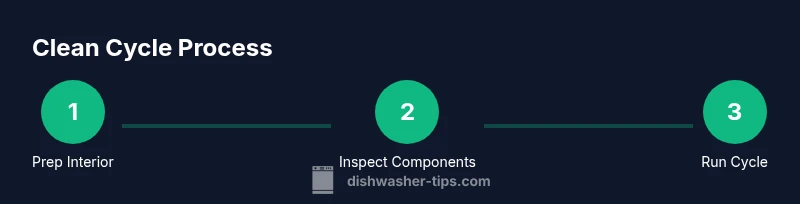
To run your dishwasher on the clean cycle, start with an empty dishwasher, remove debris, and inspect the filter. Then select the dedicated cleaning cycle (or the hottest cycle available) and run it at the recommended temperature. This quick guide covers prep, timing, and maintenance to keep your unit operating efficiently across models.
What the Clean Cycle Does
The clean cycle is designed to tackle mineral buildup, mildew odors, and soap scum by running a longer, hotter wash focused on interior surfaces and hard-to-reach areas. It is not primarily about heavy food removal, but about refreshing the interior and disrupting stubborn deposits that accumulate over time. According to Dishwasher Tips, many models incorporate higher temperatures, extended agitation, and a gentle dry-down to maximize cleaning without subjecting dishes to the cycle's harsher conditions. Understanding how this function operates helps you tailor maintenance to your water hardness and appliance design. If you live in a hard-water region, you’ll notice the need for periodic descaling and filter care as part of a successful clean cycle. The goal is to prevent buildup before it becomes a problem, preserve seal integrity, and reduce smells that can linger after regular washes. While the exact steps vary by brand, the core principles—remove debris, elevate temperature, and allow for thorough flushing—remain consistent across most popular dishwashers.
Before You Start: Prep and Safety
Before running the clean cycle, prep the dishwasher properly. Start by removing all dishes and large debris from the tub. Check the filter and rinse arms for clogs, and wipe away any residue from seals and door gaskets. Ensure the appliance is plugged in and the door closes securely. If your manual recommends certain precautions for your model, follow them closely to avoid venting issues or power faults. This preparation reduces the risk of redistributing filmy buildup and ensures the cleaning cycle can operate at peak efficiency. Dishwasher Tips emphasizes that a quick interior inspection can save you time and prevent damage during the cycle.
Detergents, Cleaning Agents, and Rinse Aids: What Works Best
For the clean cycle, many manufacturers advise running without a heavy load of dishes. If you choose to use a cleaning tablet, detergent, or rinse aid, select one that is compatible with your model and water hardness. Vinegar or citric acid can be tempting descalers but should only be used if the manual approves them. In most cases, plain water plus the machine rag or a mild cleaner is sufficient. Rinse aids help with drying and residue control, especially in hard-water regions. Always avoid mixing cleaners or using products not intended for automatic dishwashers, as this can create fumes or damage seals.
Cycle Timing, Temperature, and Water Hardness
The clean cycle typically runs longer and at higher temperatures than a standard wash. The exact duration varies by model, but expect a longer phase to maximize mineral removal and odor control. Water hardness affects cleaning efficiency and may trigger more frequent descaling needs. If your water is hard, you may see mineral leftovers around spray arms or on doors after the cycle. In such cases, supplement maintenance with regular filter cleaning and occasional descaling per your manual. The goal is a consistent, thorough clean that reduces buildup over time.
Load Considerations: Dishes vs. Empty Space
Do not overload the dishwasher when using the clean cycle, as restricted water flow can leave deposits. Place large items carefully to avoid blocking spray arms. Do not stack items too high or block the detergent cup area. The clean cycle does not rely on food removal; instead it targets interior surfaces. If possible, run the cycle with a partial load or even an empty load to maximize interior circulation and mineral removal. Consistency matters for preventing buildup and ensuring seals stay moist enough to prevent cracking.
Maintenance After the Cycle: Filters, Seals, and Doors
After the cycle, wipe down the door seals and the tub interior to remove any loosened residues. Clean the filter and spray arms every few months or as recommended by your model. A quick check of the gasket for cracks or wear can prevent leaks and odors. Let the dishwasher dry with the door slightly open or use the dry phase if your model offers it. Regular maintenance after each cleaning cycle keeps the appliance in top condition and reduces the need for more aggressive descaling.
Troubleshooting Common Issues During a Clean Cycle
If the interior remains dirty after a clean cycle, inspect for clogged spray arms, restricted filters, or insufficient water supply. A common cause is mineral buildup that blocks jets, which you can mitigate by a dedicated descaling routine. If you notice unusual noises, leaks, or the door not sealing properly, stop the cycle and consult your manual. Some models require a reset to clear electronic faults, while others need a service visit for deeper issues. Dishwasher Tips notes that simple, regular maintenance dramatically reduces the likelihood of recurring problems.
Descaling and Mineral Build-Up Prevention
Descaling regularly depends on water hardness and usage. In hard-water areas, use a manufacturer-approved descaler according to the manual, typically every 1 to 3 months depending on use. Vinegar-based descale methods are sometimes discouraged because they can degrade rubber parts over time. The key is to maintain a clean interior, keep filters clear, and ensure the spray arms can rotate freely. Regular descaling prevents mineral buildup, which in turn supports the efficiency of the clean cycle and keeps dishes appearing truly clean.
Authoritative Sources and Further Reading
For deeper guidance, consult official resources from recognized authorities and major publications. Energy Star provides appliance efficiency guidelines and model-specific recommendations. Consumer Reports offers independent reviews and performance insights for dishwashers. The EPA also covers sustainability and water efficiency relevant to appliance usage. These sources help homeowners tailor the clean cycle to their equipment and water quality while maintaining safe practices.
Tools & Materials
- Dishwasher owner's manual(Keep for model-specific notes)
- Dishwasher-safe cleaning tablet or powder (optional)(Use if the model allows dedicated cleaning products)
- White vinegar or citric acid (optional)(Only if the manual approves descaling methods)
- Soft cloth or sponge(For seals and gaskets, wipe residues)
- Gloves(Protect hands when cleaning filters)
- Access to electrical outlet and water supply(Ensure power is off before manual cleaning)
Steps
Estimated time: 25-45 minutes
- 1
Prepare the unit and read the manual
Power off and unplug the machine if accessible. Remove all dishes and debris, then skim the tub and filter area for loose particles. Consult your model manual for any cycle-specific cautions before starting the clean cycle.
Tip: Check for any recall notices or model-specific descaling notes before proceeding. - 2
Clear interior and inspect components
Wipe the door seals and inner tub. Look at the filter and spray arms for clogs and rinse them under running water. Clear debris to ensure water can circulate freely during the cycle.
Tip: A clogged spray arm reduces cleaning effectiveness even on the clean cycle. - 3
Clean the filter and spray arms
Remove the filter assembly if your model allows and rinse it thoroughly. Use a soft brush to dislodge stubborn deposits from spray arms. Reinstall securely before starting the cycle.
Tip: Avoid using metal tools that could scratch plastic or damage seals. - 4
Choose the cycle and settings
Select the clean cycle or the hottest cycle available. If your model offers variations, pick the option with the longest duration and highest temperature that is recommended for interior cleaning.
Tip: Do not add dishes; the cycle is aimed at cleaning the interior surfaces. - 5
Run the cycle and monitor
Start the cycle and observe the initial minutes to verify that wash arms are turning and water is circulating. Allow the full duration to complete for optimal mineral removal.
Tip: If you notice water pooling, cancel and check for drain or filter blockages. - 6
Cool down and inspect results
Once the cycle ends, leave the door ajar for a short time to let interior dry. Inspect the tub and seals for any remaining residues and wipe as needed.
Tip: A quick post-cycle wipe prevents new odors from forming as the unit cools.
People Also Ask
What exactly is the clean cycle on a dishwasher?
The clean cycle is designed to refresh interior surfaces, remove mineral buildup, and eliminate odors rather than heavy dish cleaning. It uses a longer wash and higher temperatures to target deposits on seals and racks.
The clean cycle refreshes the inside of the dishwasher by removing mineral buildup and odors with a longer, hotter wash.
Do I need to add detergent for the clean cycle?
Most manufacturers recommend running the clean cycle without dishes and without added detergent. If a cleaning tablet is advised by your model, use one that is compatible with the cycle.
Usually you run the clean cycle without detergent, unless your model calls for a compatible cleaning tablet.
How often should I run a clean cycle?
Aim for every 1 to 3 months depending on water hardness and usage. In hard water areas, more frequent descaling and cleaning may be necessary to prevent buildup.
Every one to three months, depending on water hardness and usage.
Can I use the clean cycle if my dishwasher is stainless steel inside?
Yes, but follow manufacturer guidelines. Stainless interiors tolerate high temperatures, but avoid harsh cleaners unless approved for metal surfaces.
Yes, most stainless interiors are compatible; check the manual for approved cleaners.
What are signs the clean cycle is not effective?
If mineral spots persist, or odors remain after several cycles, inspect filters, spray arms, and water hardness. Consider descaling and professional service if issues persist.
Persistent spots or odors after cycles may mean clogged filters or mineral buildup needing maintenance.
Watch Video
What to Remember
- Run the interior-only clean cycle for mineral buildup control
- Prep by clearing debris and inspecting the filter
- Use cycle settings appropriate for your water hardness
- Regular maintenance reduces odors and improves performance
- Consult the model manual for descaling guidance