When to Replace Dishwasher Drain Hose: A Practical Guide
Learn to spot wear signs on your dishwasher drain hose, choose a compatible replacement, and safely swap it to prevent leaks and clogs. Practical checks, choosing the right hose, and a clear step-by-step process.


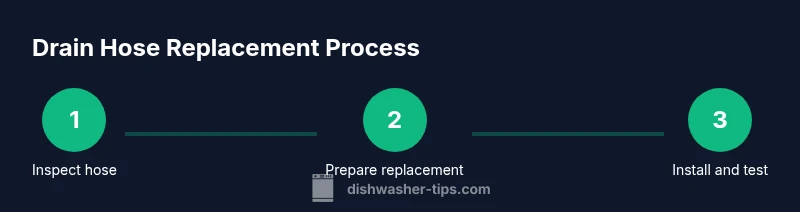
By the end you'll know when to replace your dishwasher drain hose and how to do the swap safely. Look for cracks, bulges, leaks, mold, or persistent clogs, plus any signs of poor draining. We'll cover sizing, selection, and the step-by-step replacement process.
What signals you should replace the drain hose
If you notice water pooling around your dishwasher, slow draining, or dampness along the hose, it may be time to replace the drain hose. The replacement decision hinges on wear, age, and performance. In most homes, the drain hose is a flexible tube that carries wastewater from the dishwasher to the sink drain or air gap. Over time, it can develop cracks, bulges, or punctures that leak or siphon dirty water back into your appliance. A worn hose may also collapse or kink, causing poor drainage. When any of these signs appear, plan for a replacement to prevent bigger problems like floods or mold growth.
Signs you need to replace the drain hose
- Cracks, visible wear, or discoloration on the hose surface
- Bulging or soft spots that change shape under pressure
- Leaks at hose connections or damp spots under the appliance
- Frequent clogs or slow draining that don’t improve with cleaning
- Mold or mildew growth near the hose or under the sink area
- Hard bends or kinks that restrict flow
These indicators suggest the hose is compromised and should be replaced to maintain safe, reliable dishwasher operation.
How wear occurs and how to inspect
The drain hose endures heat, chemicals, and repeated connections. Over time, the plastic or rubber can become brittle, and the clamps can corrode. Inspect by detaching the hose at both ends and looking for cracks, wear near clamps, stiffness, and softened or melted sections. Run your fingers along for sticky residue or cracks you can’t see with the eye alone. If you notice any stiffness, cracking, or crushed sections, replacement is wise.
How to measure and choose the right hose
To pick a replacement, you’ll want a hose that matches the diameter and connection types of your dishwasher and drain assembly. Bring the old hose to the store for a side-by-side comparison or check your model’s manual for the correct hose type. Look for a hose rated for hot water and with secure clamps that fit your sink’s tailpiece or air gap. If in doubt, choose a slightly longer hose with adjustable routing rather than a too-short fit. Make sure the hose ends align with the fittings on your dishwasher and the drain.
Safety considerations and prerequisites
Before you start, turn off the power at the breaker and shut off the water supply to the dishwasher. Work on a dry surface with adequate lighting, and wear gloves to protect your hands from sharp edges. Have towels or a shallow bucket ready to catch any residual water and prevent slips. Never perform repairs with the unit energized or connected to live water lines.
Preventive maintenance and lifespan expectations
Regular inspection can extend the life of your dishwasher drain hose. Check hoses during routine kitchen maintenance, especially if you notice changes in draining performance. Keep clamps clean and rust-free, route hoses away from heat sources, and ensure the hose is not stretched or kinked behind the appliance. A well-routed hose reduces wear and helps maintain proper drainage over time.
When to hire a professional
If you’re uncertain about the plumbing connections behind your dishwasher or if you encounter stubborn leaks, corrosion around clamps, or a disconnected drain line, consider hiring a professional. A plumber or appliance technician can verify the integrity of fittings, ensure proper routing, and prevent future leaks that could cause water damage.
Common mistakes to avoid
Avoid over-tightening clamps, which can crush the hose. Don’t reuse damaged clamps or hoses, and avoid forcing the hose through tight spaces. Ensure the new hose is rated for dishwasher use and that it’s properly secured with clamps on both ends to prevent leaks.
Practical recap
Replacing a dishwasher drain hose is a straightforward maintenance task when you know what to look for and follow the correct steps. With the right hose and careful installation, you can prevent leaks, odors, and drainage issues that frustrate daily chores.
Tools & Materials
- Replacement dishwasher drain hose(Choose a hose with the correct diameter and compatible fittings for your model.)
- Screwdriver (flat-head and/or Phillips)(For hose clamp screws.)
- Pliers or adjustable wrench(To loosen/tighten hose clamps.)
- Bucket or towels(Catch residual water to avoid spills.)
- Hose clamps (metal or stainless)(Secure connections at both ends.)
- Utility knife(Trim hose ends if needed.)
- Work gloves(Protect hands from sharp edges.)
Steps
Estimated time: 40-60 minutes
- 1
Power off and prepare the area
Begin by turning off the dishwasher at the circuit breaker to eliminate any risk of electric shock. Shut off the water supply to the dishwasher. Remove the lower rack to access the drain hose area and clear a dry workspace. This prepares you for a clean, safe replacement.
Tip: Double-check the breaker label to ensure you’re flipping the correct switch. - 2
Disconnect power and drain connections
Unplug the dishwasher if accessible or confirm power is off at the breaker. Detach the drain hose from the sink’s air gap or disposal/tailpiece, taking care to avoid splashing. Have your bucket ready for any residual water.
Tip: Work slowly to prevent splashing dirty water. - 3
Loosen and remove the old hose
Loosen hose clamps at each end with the screwdriver and remove the old hose. If clamps are corroded, replace them with new ones. Inspect the connection fittings for corrosion or damage.
Tip: Don’t yank the hose; loosen clamps evenly to avoid tearing the hose. - 4
Prepare the replacement hose
Compare the new hose against the old one for length and connector types. If necessary, trim the hose ends to fit and ensure the ends have clean, straight cuts. Attach new clamps to both ends before connecting.
Tip: Use new clamps for a secure seal. - 5
Attach the new hose to the dishwasher
Slide the hose end onto the dishwasher drain outlet and tighten the clamp securely. Ensure the hose extends in a gentle arc toward the drain without kinks or sharp bends.
Tip: Avoid tension that could pull the hose loose later. - 6
Connect the hose to the sink drain or air gap
Attach the other end to the sink drain, air gap, or disposal inlet as required. Tighten clamps and verify there are no gaps. Make sure the hose routing avoids contact with sharp edges or heat sources.
Tip: Keep the hose elevated above the bottom of the cabinet if possible. - 7
Check routing and secure everything
Check that the hose is free of twists and there are no pinch points. Tighten all clamps evenly and ensure the hose has a smooth bend radius.
Tip: Use zip ties to secure the hose away from moving parts if needed. - 8
Test the installation
Restore power and water, run a short wash cycle, and look for leaks at both ends. If any damp spots appear, re-tighten clamps and reposition the hose.
Tip: Run a test with a shallow load to confirm leaks are eliminated. - 9
Clean up and document
Wipe excess water, discard packaging, and note the date of replacement for future maintenance. Store unused clamps and tools in their designated place.
Tip: Keep a simple maintenance log near the appliance for quick reference.
People Also Ask
What are the warning signs of a failing drain hose?
Common signs include cracks, bulges, leaks at connections, persistent clogs, and mold near the hose. If you notice any of these, plan a replacement to prevent water damage.
Watch for cracks, bulges, leaks, and mold near the hose to decide on replacement.
Can I reuse the clamps from the old hose?
If the old clamps are in good condition and compatible with the new hose, you can reuse them. If they show corrosion or wear, replace them with new clamps.
You can reuse good-condition clamps, but replace any corroded ones.
Is it safe for a beginner to replace a dishwasher drain hose?
Yes, with careful steps: disconnect power and water, follow the hose routing, and secure clamps snugly. Avoid shortcuts to prevent leaks.
It’s doable for beginners if you follow safety steps and don’t rush.
What should I buy to replace the hose?
Buy a flexible dishwasher drain hose rated for hot water with clamps compatible with your model’s fittings. Bring the old hose for size and end-connection comparison.
Get a compatible hose with the right clamps and length.
How can I extend the life of my dishwasher drain hose?
Inspect the hose regularly for wear, route it away from heat and sharp edges, and replace clamps if they show wear. A proper routing prevents kinks that shorten life.
Inspect and route the hose well to keep it from kinking.
What if my hose connects to a garbage disposal?
If connected to a disposal, ensure the knockout plug is removed and the hose terminates at the proper inlet. Use clamps to secure both ends.
Follow the disposal-specific guidance to avoid leaks.
Watch Video
What to Remember
- Inspect hoses regularly before leaks occur.
- Choose the correct hose type and secure clamps on both ends.
- Follow safety steps to avoid shocks and water damage.
- Test the installation and verify there are no leaks after replacement.