How to Drain a Dishwasher: A Step-by-Step Guide
This comprehensive guide teaches practical, safe techniques to drain a dishwasher, identify common clogs, and prevent standing water in future cycles, with clear steps and tips from Dishwasher Tips.


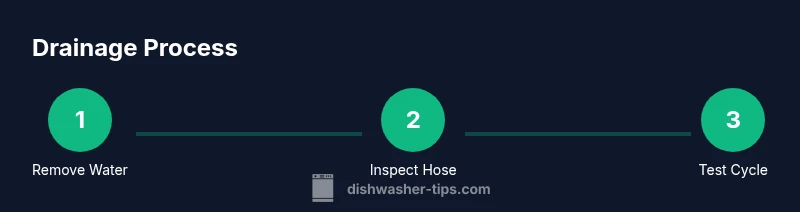
To drain a dishwasher, start by removing standing water and turning off power, then inspect the drain filter and hose for clogs. Clear any debris, reconnect components, and run a test cycle with hot water. For persistent water, check the air gap and disposal connection, repeating the process as needed.
Why drainage problems happen in dishwashers
Standing water inside a dishwasher after a cycle is more common than many homeowners realize. If you're wondering how to drain dishwasher, start by understanding the typical causes: a clogged filter, a stuck pump, a kinked drain hose, or an air gap that's blocked. This Dishwasher Tips guide explains practical, safe approaches to clear the blockage and restore normal drainage. Regular maintenance reduces the chances you'll need to take this action again in the near future. Recalling what contributes to drainage issues helps you address the root cause rather than just the symptom. Regular cleaning and mindful loading can dramatically cut down on clogs and standing water. If you notice recurring backups, it’s a signal to inspect your drain components more closely and adopt a preventive routine.
Before you begin: Safety and preparation
Drainage work involves electricity and plumbing components, so safety comes first. Before you touch anything, unplug the unit or switch off the circuit breaker for the dishwasher. Move the appliance slightly away from the wall to access the drain hose and valve areas, and place towels or a tray to catch spills. Wear rubber gloves to protect your hands from dirty water and sharp edges. Having a flashlight handy helps you see the interior sump, filters, and hoses clearly. By preparing a clean, dry workspace, you reduce the risk of slipping and minimize water damage.
Tools and materials you'll need
Having the right tools makes the process smoother and safer. Gather a bucket or big cup, absorbent towels, rubber gloves, a flashlight, and basic hand tools (screwdriver, pliers). You’ll also want a small tray or container to hold screws or small parts, a sponge, and a clean dry rag. Optional items include a shop vac for large spills and a drain snake if you encounter a stubborn clog beyond the filters. Having these items ready avoids mid-work trips to the toolbox and helps you stay organized.
Approach overview: what to expect
Drainage work is a balance of mechanical clearance (filters, hoses) and system checks (air gap, pump). The core idea is to remove standing water, access the drain path, clear obstructions, and test the system with a controlled cycle. Expect to inspect the filter and sump first, then the drain hose and any air gap. If a disposal connection exists, confirm its compatibility and cleanliness. A methodical approach minimizes the risk of creating new leaks and makes it easier to restore full function.
Check and clean the drain filter and sump
The drain filter and sump trap debris that can block water flow. Remove the bottom rack, locate the filter assembly, and carefully lift it out. Rinse the filter under running water to clear food particles. Use a soft brush to dislodge stuck grime from the sump walls. Avoid harsh chemicals; hot water and gentle scrubbing usually suffice. Reinstall the filter securely to maintain proper flow and prevent debris from entering the pump.
Inspect drain hose, air gap, and disposal connection
Kinks or clogs in the drain hose prevent wastewater from leaving the tub. Disconnect the hose at the connection point and flush it with warm water to dislodge buildup. If your setup includes an air gap, remove its cap and clean out any sediment that blocks air flow. If the dishwasher is connected to a garbage disposal, ensure the disposal is clear and the knock-out plug is removed (if recently installed). Reconnect everything firmly to prevent leaks.
Reassemble, run a test cycle, and verify drainage
Reinstall any parts removed during the inspection, then restore power. Run a short, empty cycle with high water temperature to flush the system and confirm proper drainage. Observe the final rinse water and listen for the pump’s operation. If water remains, repeat the steps focusing on filters, hose integrity, and air gap; persistent issues may indicate a deeper problem requiring a professional.
Maintenance and prevention: keep drainage clear
Establish a simple maintenance routine to prevent future drainage issues. Clean the filter every 1–2 weeks when you run the dishwasher, and check the drain hose and air gap monthly if accessible. Avoid overloading with large chunks of food and use a pre-rinse setting only if necessary. A quick post-cycle check for standing water helps catch issues early. Regular inspections reduce emergency fixes and extend the life of the appliance.
Troubleshooting: when to call a pro
If you’ve followed the steps and water still won’t drain, it’s time to consider professional help. A persistent drainage problem may involve the pump, motor, or internal control board. An experienced technician can diagnose a faulty impeller, cracked sump, or nonfunctional check valve. Timely intervention can prevent secondary damage and ensure your dishwasher returns to optimal performance.
Tools & Materials
- bucket or large cup(To capture standing water)
- absorbent towels or rags(For soaking and spills)
- rubber gloves(Protect hands from grime and moisture)
- flashlight(Illuminate interior components)
- screwdrivers (Phillips & flathead)(Access panels and filters)
- adjustable pliers(Loosen clamps and hoses)
- sponge & small container(Wipe and collect debris)
- shop towel or clean rag(Dry and reassemble)
Steps
Estimated time: 45-60 minutes
- 1
Remove standing water
Scoop out as much water as possible using a cup or pitcher. Wring the sponge to absorb residual moisture and lay towels around the base to catch drips. This prepares a dry surface for safe inspection of internal components.
Tip: Have a bucket ready to collect water and prevent spills. - 2
Power down and unplug
Unplug the dishwasher or switch off the circuit breaker dedicated to the appliance. This reduces the risk of electric shock while handling wet parts. Confirm there is no power at the outlet before you touch any wiring.
Tip: Always err on the side of safety; if you’re unsure, switch off the main breaker. - 3
Access the drain path
Gently slide the unit away from the wall to reveal the drain hose and rear connections. Inspect for obvious kinks or damage and prepare to detach the hose if needed for cleaning. Keep screws and small parts in a tray so they don’t get lost.
Tip: Take a quick photo of connections before removal. - 4
Remove and clean the drain filter
Follow the manufacturer’s method to access the filter. Remove it, rinse under warm water, and scrub away residue with a soft brush. Reinstall securely to maintain proper pump function.
Tip: Don’t use harsh chemicals; hot water and gentle brushing work best. - 5
Inspect the drain hose
Detatch the hose at the connection point and flush with warm water to clear clogs. Reattach firmly, ensuring it has a gentle downward slope to prevent backflow.
Tip: If you hear gurgling, there may still be a partial blockage. - 6
Check the air gap (if present)
Remove the air gap cap and clean any sediment. A blocked air gap can prevent drainage; ensure the path is clear. Reassemble once clean.
Tip: Some models hide the air gap under the sink or behind the dishwasher panel. - 7
Test run and verify drainage
Reconnect power and run an empty hot-water cycle. Listen for the pump and watching for water exiting the drain hose. If water stands, repeat the filter and hose checks.
Tip: A successful test run confirms proper drainage and helps you spot lingering issues early. - 8
Final checks and cleanup
Return the dishwasher to its original position, wipe surfaces, and reinstall any racks. Keep a routine to inspect filters monthly and replace worn hoses as needed.
Tip: Document maintenance steps for future reference. - 9
Know when to call a pro
If drainage problems persist after these steps, a professional may diagnose issues like a faulty pump or check valve. Early intervention can save water damage and further repairs.
Tip: A licensed technician can safely handle electrical and internal component issues.
People Also Ask
Why is water not draining from my dishwasher?
Common causes are a clogged filter, blocked drain hose, or a malfunctioning pump. Start with the filter and hose, then test the unit after cleaning. If the problem persists, it may require professional service.
Water not draining is usually due to clogs or a faulty pump. Start by cleaning the filter and hose, then test the dishwasher; call a professional if problems continue.
Is it safe to drain a dishwasher if I unplug it?
Yes. Unplugging or turning off the breaker before starting is essential for safety. Do not attempt drainage with live electrical power.
Yes, always unplug or switch off the breaker before starting drainage work.
How often should I clean the dishwasher filter?
Clean the filter every 1–2 weeks during regular use to prevent buildup and improve drainage.
Clean the filter every one to two weeks with regular use to keep drainage clear.
What if water still remains after these steps?
If water remains, recheck the filter and hose for hidden blockages, verify the air gap is clear, and confirm the disposal connection is free of obstructions. If unresolved, seek professional help.
If water remains, double-check filters, hoses, and air gaps; and consider calling a pro if the issue persists.
Can I connect a dishwasher drain to a disposal?
Yes, dishwasher drains can connect to a disposal if there is a proper knock-out plug and the disposal is clear. Follow the manufacturer's guidelines for your model.
You can connect to a disposal if the setup is correct and the disposal is clear.
Watch Video
What to Remember
- Remove standing water before inspection.
- Check filters and hoses for clogs as a priority.
- Test with a hot-water cycle to confirm drainage.
- Establish a simple preventive maintenance routine.